BHUTAN
Travelog
19
Feb, 2026

The Art of Kishuthara: Bhutan’s Most Intricate Textile
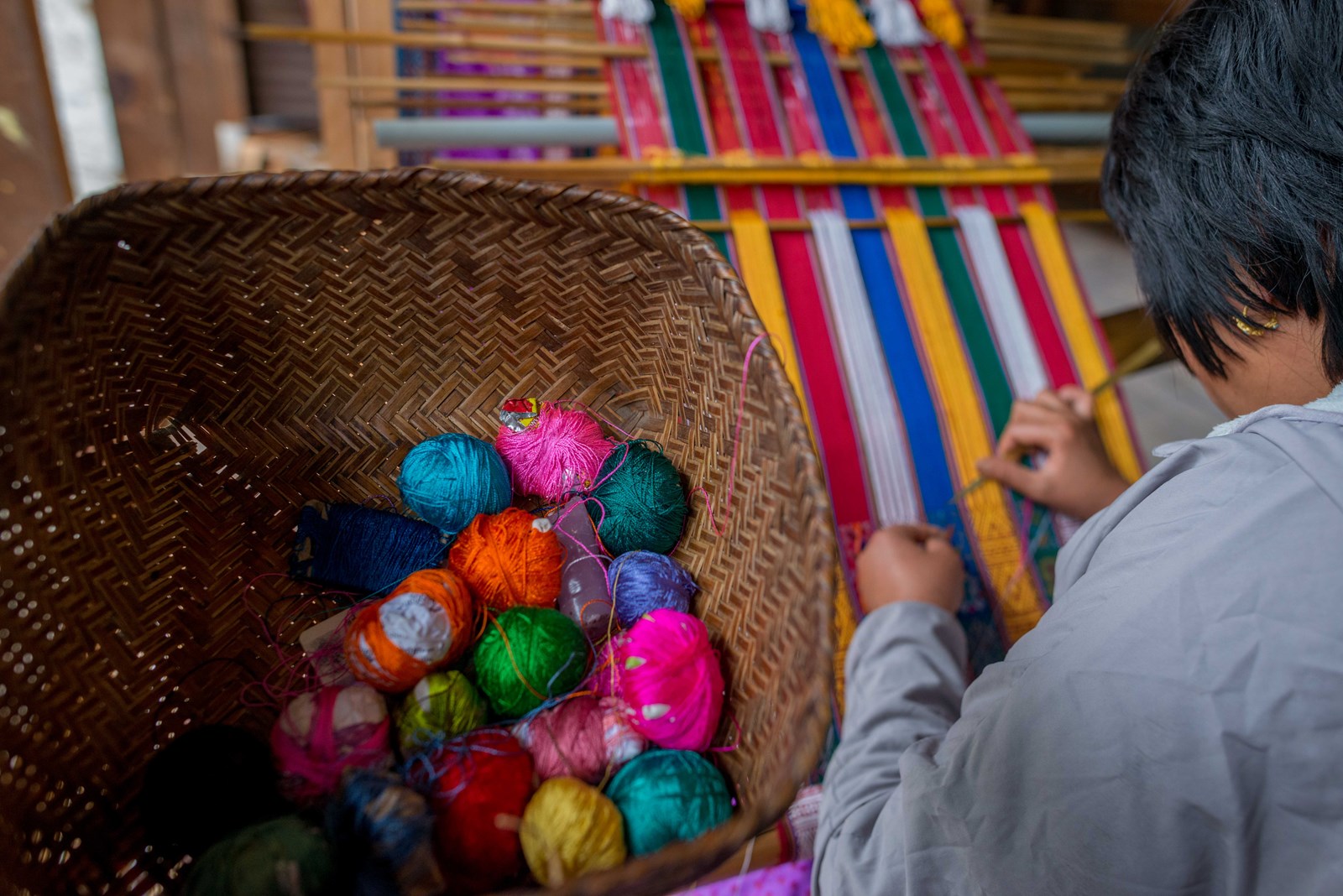
If you’ve ever admired a Bhutanese kira that seems almost embroidered with tiny, jewel-like motifs, you were likely looking at kishuthara (also spelt kushuthara) — one of Bhutan’s most intricate and prestigious handwoven textiles. Woven primarily in eastern Bhutan, this extraordinary silk fabric represents months of meticulous craftsmanship, cultural pride, and living heritage passed down through generations.
Often referred to as the "pinnacle of Bhutanese weaving," a single Kishuthara kira (the national dress for women) can take a master weaver up to a year to complete. Here is an exploration into the history, technique, and cultural weight of this extraordinary textile.
What Is Kishuthara?
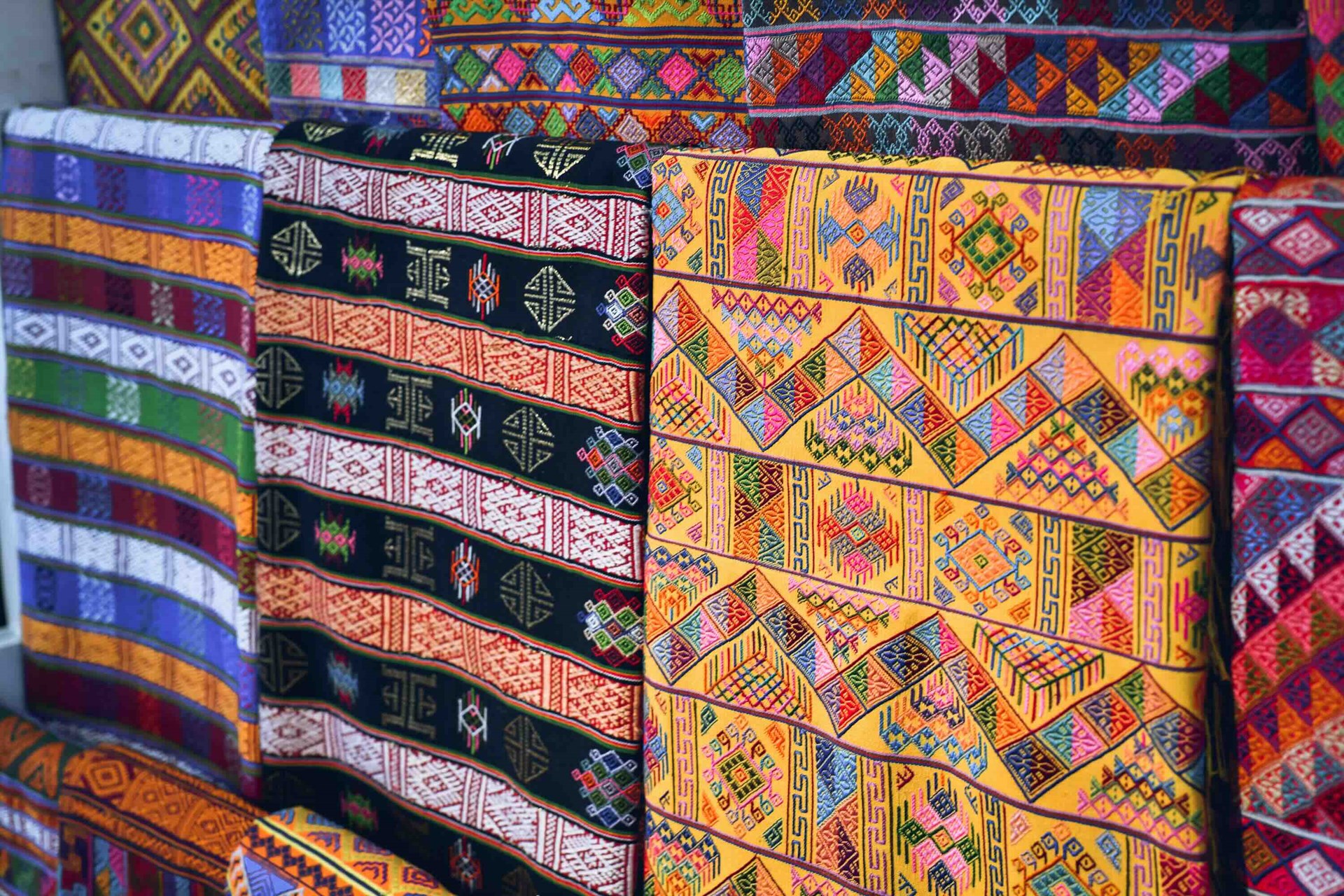
Kishuthara is a richly patterned silk textile traditionally woven into a woman’s kira, the national dress of Bhutanese women. What sets it apart is its dense supplementary-weft brocade technique, where intricate motifs appear to float above the fabric’s surface.
Unlike printed or machine-made cloth, every motif in kishuthara is individually inserted by hand. The result? A luminous textile that looks almost embroidered — yet everything is woven directly into the structure of the fabric itself.
Because of its complexity and prestige, kishuthara is often reserved for special occasions such as festivals, ceremonies, and important life events.
Where Kishuthara Comes From
Kishuthara is most famously associated with Khoma, a village in Lhuentse district in north-eastern Bhutan.
In Khoma, weaving is not a commercial side activity — it is a way of life. Skills are taught at home, often from mother to daughter, and many households own traditional backstrap looms. The village has become synonymous with high-quality kishuthara, and textiles from this region are especially prized.
Weaving here is both cultural expression and economic livelihood, empowering women while preserving Bhutan’s textile heritage.
The Technique: Why It’s So Intricate
Kishuthara is woven on a traditional backstrap loom — one end anchored to a fixed post, the other wrapped around the weaver’s waist. This setup allows precise tension control and extraordinary detail.
The defining technique is known as supplementary weft brocade (locally called trima). Extra threads are individually inserted to create raised, colourful motifs across the surface of the silk.
Key characteristics include:
-
Dense, repeating geometric or symbolic motifs
-
Raised brocade texture
-
Fine silk base fabric
-
Exceptional symmetry achieved entirely by hand
Because every motif is manually inserted, no two kishuthara pieces are ever identical.
How Long Does It Take to Weave One?
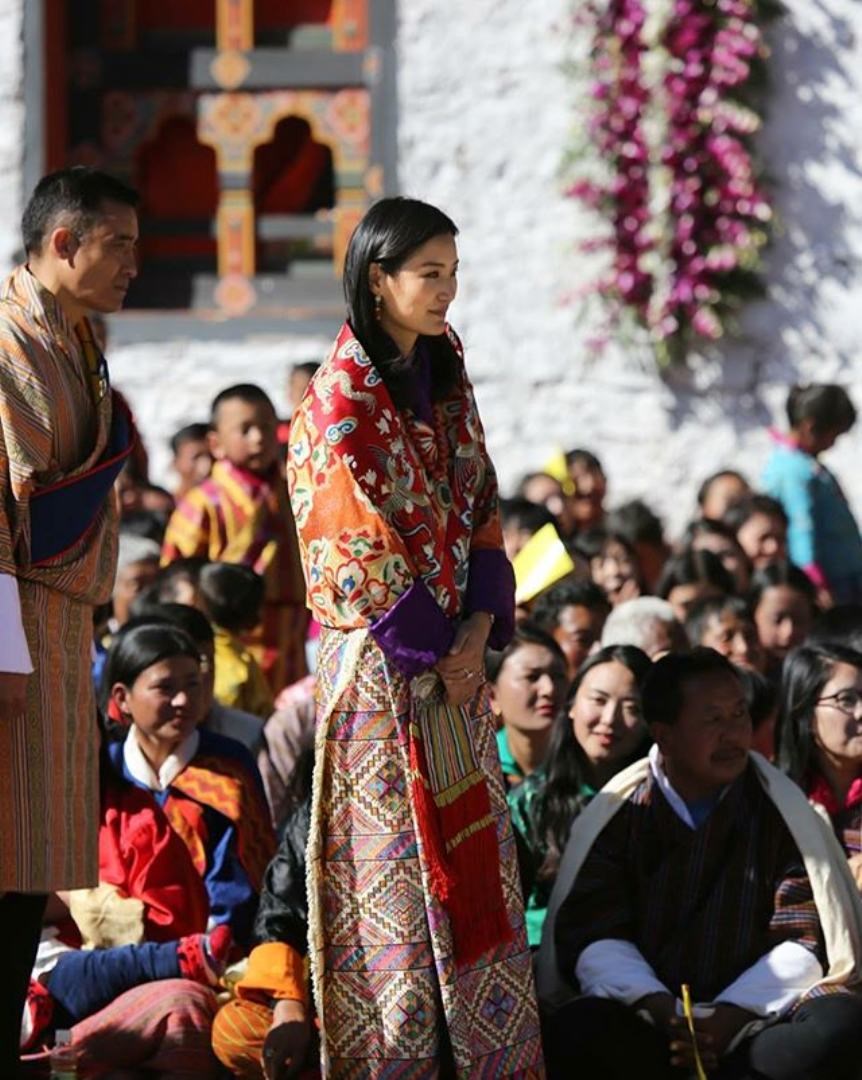
A full kishuthara kira can take several months to nearly a year to complete, depending on:
-
Complexity of motifs
-
Density of brocade work
-
The weaver’s available time
-
Size of the textile
This immense time investment explains why authentic kishuthara commands premium prices. You are not paying for fashion — you are paying for human time, discipline, and mastery.
Motifs and Cultural Meaning
Bhutanese textiles are never “just decorative.” Patterns often carry symbolic meanings linked to protection, prosperity, spirituality, or status.
While designs vary by region and individual weaver, kishuthara is recognised as one of the most prestigious textiles within Bhutan’s weaving hierarchy. Wearing it signals refinement, celebration, and respect for tradition.
Common Motifs and Symbols
The patterns are deeply rooted in Buddhist iconography and nature:
-
Dorge (Vajra): Representing the "thunderbolt" or spiritual power.
-
Phub (The Ritual Dagger): Symbolizing protection.
-
Eternal Knot: Representing the interconnectedness of all things.
-
Flowers and Trees: Often stylized representations of the local Himalayan flora.
The Technical Mastery: "The Loom’s Embroidery"
What baffles many textile experts is that the intricate designs are not stitched onto the fabric after it is made. Instead, the patterns are woven into the fabric using a technique called discontinuous supplementary weft.
-
The Warp and Weft: The base is typically fine silk or cotton.
-
The Supplementary Yarn: The weaver manually picks up specific warp threads and wraps colored silk or gold/silver threads around them to create motifs.
-
Two-Sided Beauty: Because of the precision involved, a high-quality Kishuthara is nearly reversible, with the pattern appearing clean and finished on both sides.
Where to See Kishuthara in Bhutan
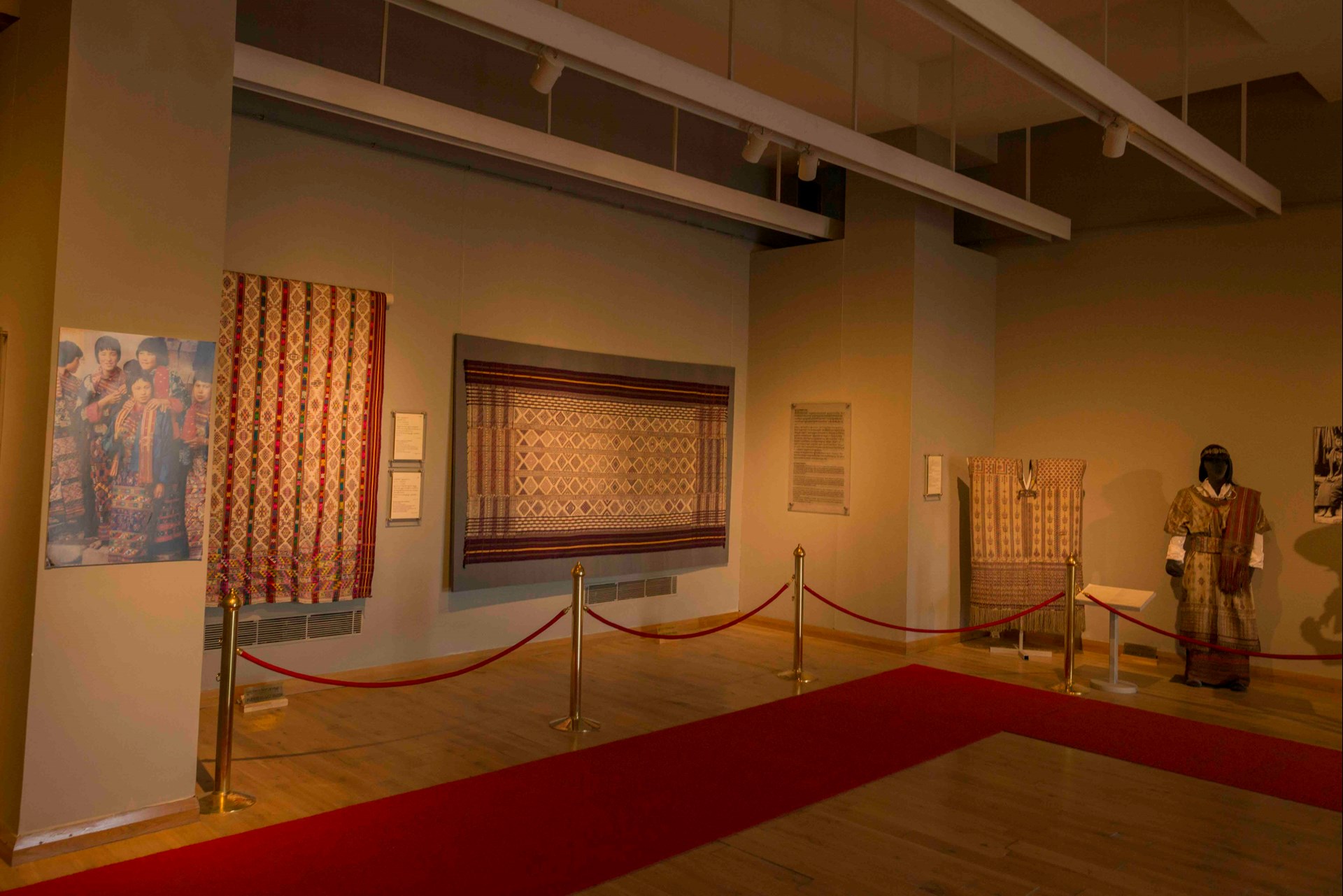
If you are visiting Thimphu, the best place to understand Bhutanese textiles is the Royal Textile Academy. Here, you can study weaving techniques up close and see exceptional examples of kishuthara craftsmanship.
For a more immersive experience, travelling east to Lhuentse — particularly Khoma — allows you to see weaving in its natural setting. If you do visit, remember these are working homes and villages. Always ask before taking photographs and approach with respect.
How to Buy Kishuthara Responsibly
If you are considering purchasing kishuthara, keep these tips in mind:
1. Look at the Structure
Authentic kishuthara motifs are woven into the fabric, not stitched or loosely attached. The back of the textile should show structured brocade threads.
2. Ask About Origin
Enquire where it was woven and how long it took. A genuine piece will have a clear provenance.
3. Prioritise Craftsmanship Over Price
Cheaper pieces may use simplified techniques or synthetic shortcuts. True kishuthara reflects months of labour.
4. Support Weavers Directly When Possible
Buying from reputable sources or directly from weaving communities helps sustain the tradition.
Caring for Kishuthara
Because it is typically silk-based:
-
Store away from direct sunlight
-
Keep in a dry, breathable environment
-
Fold carefully to avoid stress on brocade
-
Avoid harsh detergents or machine washing
If unsure, seek professional cleaning advice suited for silk textiles.
Why Collectors Value Kishuthara
For textile enthusiasts, a Kishuthara is a "holy grail" acquisition. Its value appreciates over time, much like fine art. Because no two pieces are identical, owning one is owning a unique piece of Bhutanese history.
Preserving the Legacy
As Bhutan modernizes, the art of Kishuthara faces the challenge of cheaper, machine-made imitations. However, the Royal Textile Academy of Bhutan and various NGOs are working to ensure the craft survives by:
-
Providing training for young weavers.
-
Establishing a "Geographical Indication" to protect the authenticity of Lhuentse-made textiles.
Promoting natural vegetable dyes (derived from madder, indigo, and turmeric) over synthetic ones to maintain traditional quality.
"A Kishuthara is not just a garment; it is a story of patience. Each thread represents a breath, and each pattern represents a prayer." — Traditional Bhutanese Saying



Follow Druk Asia on social media for inspiring travel stories, breathtaking photos, and the latest updates from Bhutan.
Ready to Experience the Magic of Bhutan?
Fill in the form below and the friendly Bhutan Travel Specialist team will get back to you with expert advice, itinerary ideas, and everything you need to know. No obligations, just warm guidance from those who know Bhutan best.
Thank you for your message!
Hang tight—one of our friendly Bhutan Travel Specialists from Druk Asia will be reaching out soon with expert tips, insider advice, and exciting itinerary ideas to help you plan the adventure of a lifetime!
Discover
Breathtaking
Bhutan.
Thank you for subscribing!
You have successfully subscribed to our newsletter.
