BHUTAN
Travelog
19
Jun, 2026

Tea Culture in Bhutan: Butter Tea, Suja & Traditional Himalayan Drinks
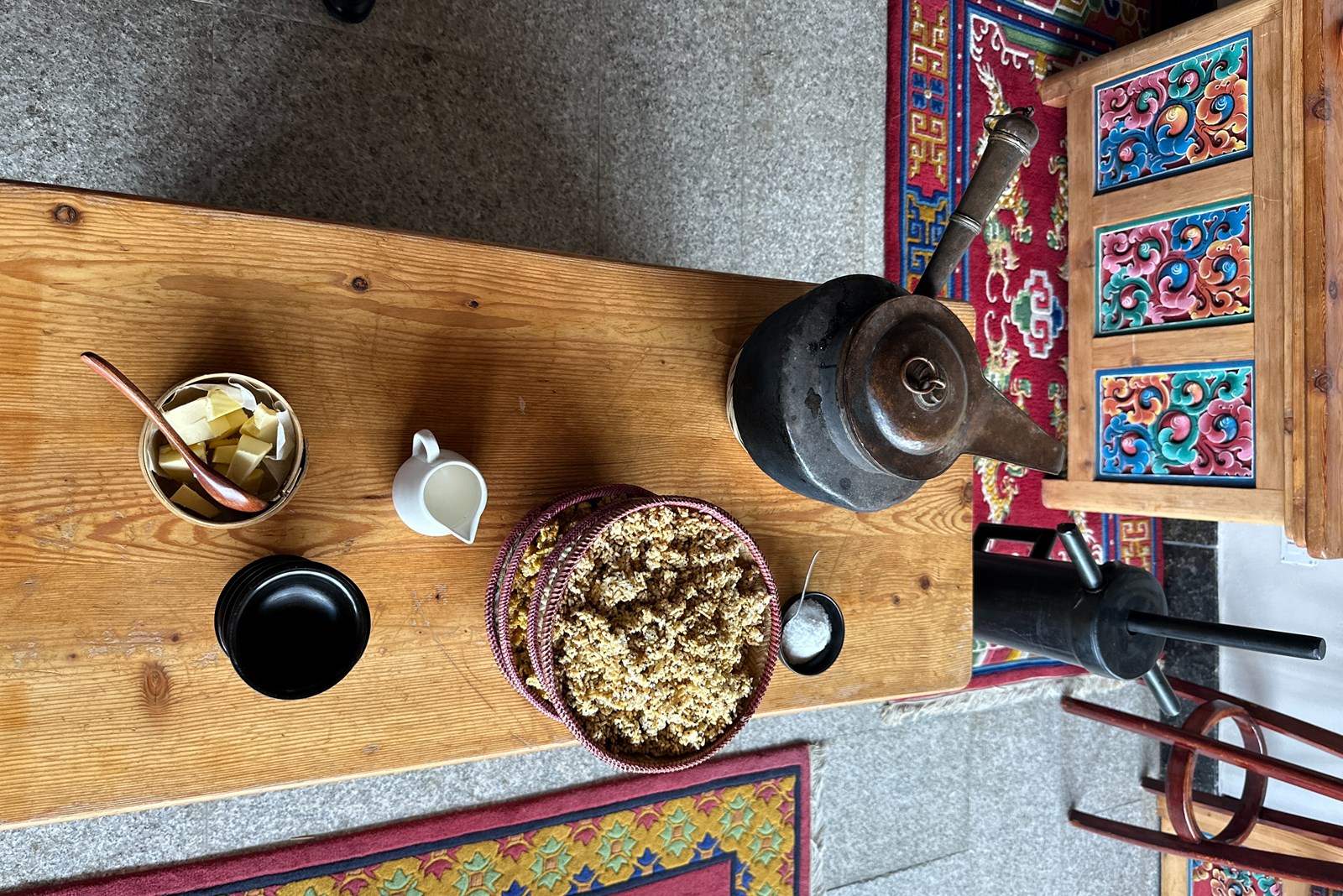
Tea is an important part of daily life in Bhutan, especially in the country’s colder mountain regions. But Bhutanese tea culture is very different from the delicate green teas of East Asia or the sweet milk teas popular in South Asia. In Bhutan, tea is often warming, salty, buttery, and closely connected to Himalayan traditions.
For travellers, Bhutanese tea culture can be both surprising and memorable. From traditional butter tea served in homes and monasteries to modern cafés in urban centers, tea reflects the country’s blend of ancient customs and gradual modernization.
Why Tea Matters in Bhutan
Tea in Bhutan is more than a beverage.
It plays an important role in:
- Hospitality
- Religious life
- Daily social interaction
- Cold-weather comfort
- Monastic traditions
Offering tea to guests is considered a sign of respect and welcome.
Suja: Bhutan’s Traditional Butter Tea
The most famous Bhutanese tea is suja, commonly known as butter tea.
It is traditionally made from:
- Tea leaves
- Butter (usually yak or cow butter)
- Salt
- Water or milk
The mixture is churned together into a rich, savory drink.
Why Butter Tea Developed in the Himalayas
Butter tea evolved as a practical drink for high-altitude life.
It provides:
- Warmth during cold weather
- Calories and energy
- Hydration in dry mountain climates
- Comfort during long journeys and farming work
In colder regions like Bumthang Valley, butter tea remains especially common.
What Does Butter Tea Taste Like?
For first-time visitors, butter tea can be unexpected.
It tastes:
- Salty rather than sweet
- Creamy and rich
- Slightly smoky depending on preparation
- More like a savory broth than typical tea
Some travellers love it immediately, while others need time to adjust.
Tea and Monastic Life
Tea is deeply tied to Bhutanese monasteries.
Monks often drink tea during:
- Morning prayer sessions
- Religious study
- Meditation breaks
- Ceremonial gatherings
Butter tea helps provide warmth during long hours in cold mountain monasteries.
Monastic centers in Paro and Thimphu commonly serve traditional tea during ceremonies and gatherings.
Tea as Hospitality
Guests visiting Bhutanese homes are often offered tea shortly after arrival.
Serving tea reflects:
- Respect for visitors
- Generosity and hospitality
- Social connection and conversation
Refusing tea outright may sometimes be considered impolite in traditional settings.
Sweet Tea and Modern Influences
While butter tea remains culturally important, modern Bhutan also drinks:
- Sweet milk tea
- Black tea
- Instant tea beverages
- Imported café-style drinks
Urban areas increasingly feature cafés serving espresso, cappuccino, and international tea styles.
Tea Houses and Cafés in Bhutan
In cities like Thimphu:
- Modern cafés coexist with traditional tea customs
- Younger Bhutanese enjoy coffee culture alongside traditional drinks
- Tea houses remain social gathering spaces
Travellers can experience both contemporary and traditional beverage culture.
Tea During Festivals and Gatherings
Tea is commonly served during:
- Religious festivals
- Family gatherings
- Community ceremonies
- Funeral rituals
- Weddings and celebrations
It helps bring people together socially and spiritually.
Traditional Tea Preparation
Preparing butter tea can be labor-intensive.
Traditional methods may involve:
- Boiling tea leaves for extended periods
- Churning butter and tea together in wooden containers
- Adding salt carefully for balance
The preparation process itself is part of cultural tradition.
Regional Variations in Tea Culture
High-Altitude Regions
In colder mountain communities:
- Butter tea consumption is higher
- Richer tea preparations are common
- Tea supports physically demanding lifestyles
Urban Areas
In cities such as Paro:
- Café culture is growing
- International drinks are more available
- Younger generations may drink less traditional butter tea daily
Tea and Bhutanese Food
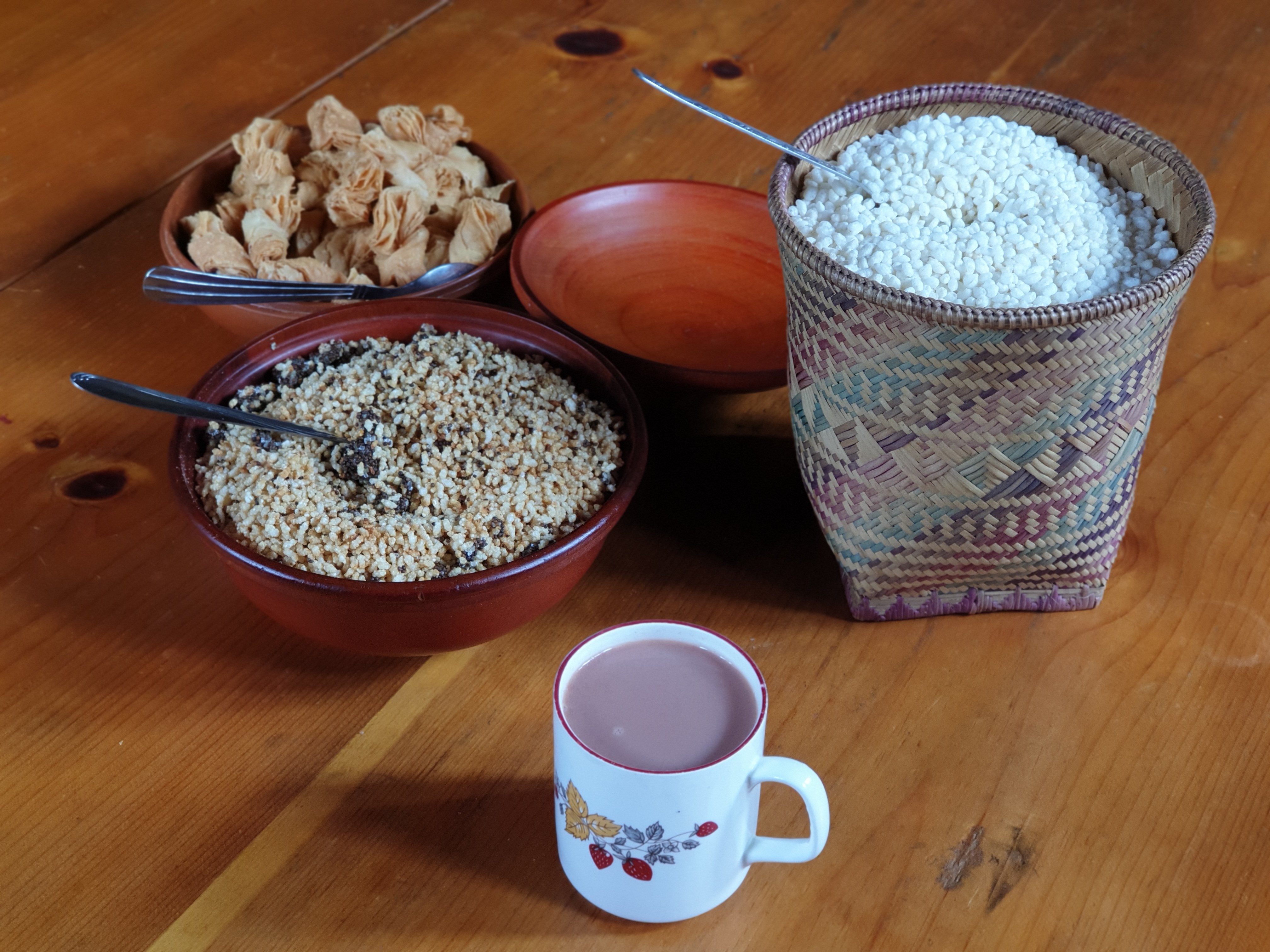
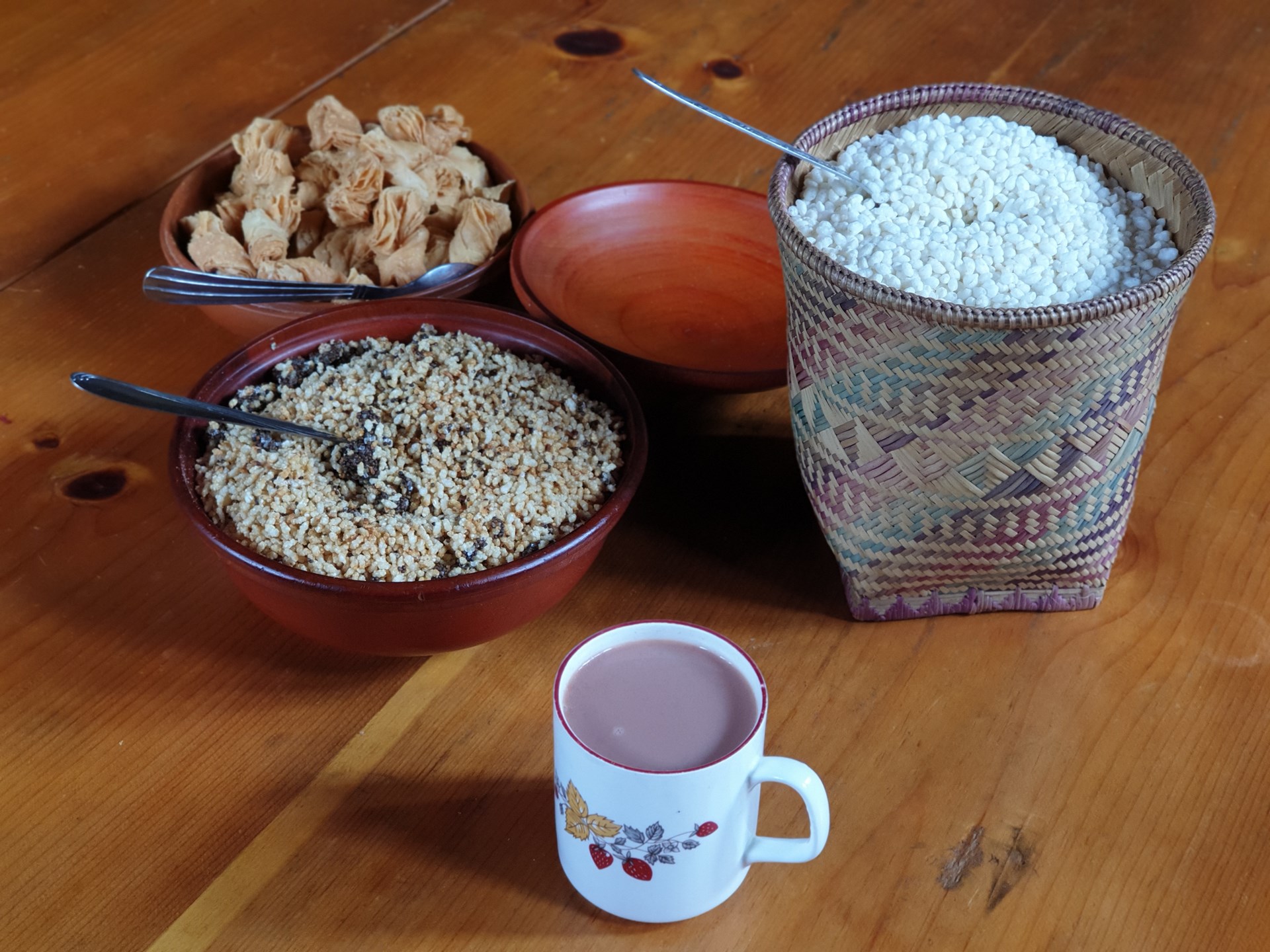
Tea is often paired with:
- Red rice
- Chili dishes
- Roasted puff (zaw)
- Dried cheese snacks
Butter tea especially complements spicy foods common in Bhutanese cuisine.
What Travellers Should Know Before Trying Butter Tea
- Expect a salty taste rather than sweetness
- The texture may feel heavier than regular tea
- It is traditionally served hot
- Trying it in rural homes or monasteries offers the most authentic experience
Why Tea Culture Reflects Bhutanese Identity
Tea culture in Bhutan reflects broader aspects of Bhutanese life:
- Hospitality
- Adaptation to mountain environments
- Buddhist influence
- Simplicity and community connection
Even as modern cafés spread, traditional tea remains culturally meaningful.
FAQs: Tea Culture in Bhutan
What is suja in Bhutan?
Suja is traditional Bhutanese butter tea made from tea leaves, butter, salt, and water or milk.
Why is Bhutanese tea salty?
Butter tea developed in Himalayan regions where salt and butter provided warmth, calories, and hydration.
Is butter tea common in Bhutan?
Yes, butter tea remains widely consumed, especially in rural and high-altitude areas.
What does Bhutanese butter tea taste like?
It tastes savory, creamy, and salty rather than sweet.
Do Bhutanese people also drink modern tea and coffee?
Yes, urban Bhutan has growing café culture alongside traditional tea customs.
Where can tourists try authentic butter tea?
Traditional butter tea is commonly served in rural homes, monasteries, and local restaurants across Bhutan.


Follow Druk Asia on social media for inspiring travel stories, breathtaking photos, and the latest updates from Bhutan.
Ready to Experience the Magic of Bhutan?
Fill in the form below and the friendly Bhutan Travel Specialist team will get back to you with expert advice, itinerary ideas, and everything you need to know. No obligations, just warm guidance from those who know Bhutan best.
Thank you for your message!
Hang tight—one of our friendly Bhutan Travel Specialists from Druk Asia will be reaching out soon with expert tips, insider advice, and exciting itinerary ideas to help you plan the adventure of a lifetime!
Discover
Breathtaking
Bhutan.
Thank you for subscribing!
You have successfully subscribed to our newsletter.
