BHUTAN
Travelog
05
Jun, 2026

National Parks in Bhutan Explained: Complete Traveller’s Guide to Wildlife & Nature Reserves
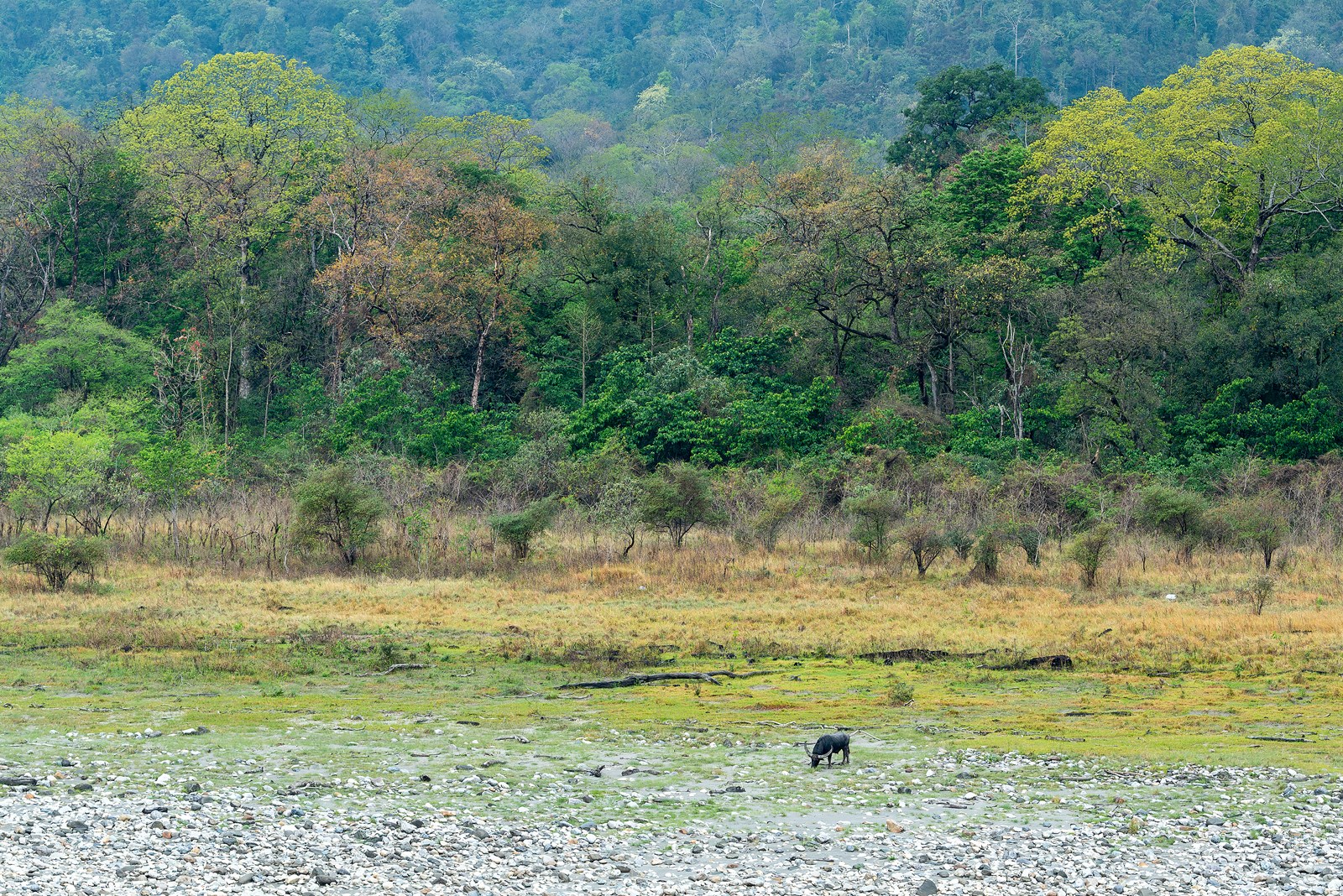
Bhutan is one of the few countries in the world where conservation is embedded directly into national policy. More than 70% of its land remains forested, and over half of the country is protected through a network of national parks and biological corridors.
For travellers, Bhutan’s national parks are not just protected zones—they are living landscapes where snow leopards roam alpine ridges, hornbills fly through subtropical forests, and sacred valleys remain deeply connected to local culture and spirituality.
This guide explains Bhutan’s national parks, what makes each one unique, and how travellers can experience them responsibly.
Bhutan’s Conservation Philosophy
Bhutan follows a “high value, low impact” tourism model, meaning:
- Visitor numbers are controlled through regulated tourism policies
- Large portions of land are protected by law
- Forest cover must never fall below 60% (Bhutan consistently exceeds this)
- Wildlife corridors connect all major protected areas
Instead of isolated parks, Bhutan has a connected ecological network, allowing animals to migrate freely across regions.
Major National Parks in Bhutan
Jigme Dorji National Park – The High Himalayan Wilderness
Jigme Dorji National Park is Bhutan’s second-largest national park and one of its most ecologically diverse.
Covering everything from subtropical forests to glaciers, it is home to:
- Snow leopard (rare high-altitude predator)
- Himalayan blue sheep (bharal)
- Takins (Bhutan’s national animal)
- Alpine bird species like the Himalayan monal
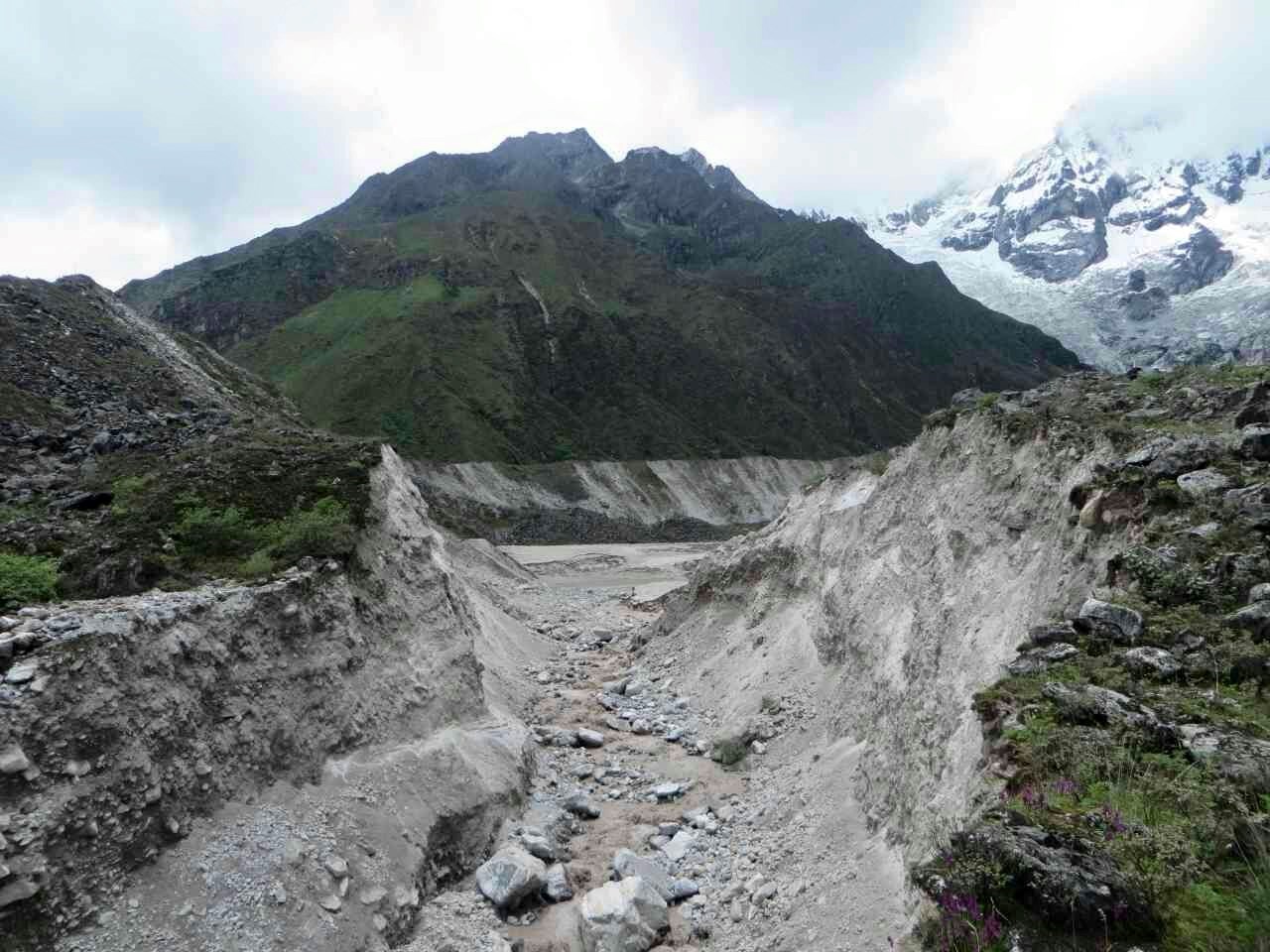
Travellers visiting northern Bhutan often pass through this park while trekking routes such as the famous Snowman Trek.
It is ideal for adventure travellers seeking remote wilderness and high-altitude biodiversity.
Royal Manas National Park – Bhutan’s Oldest Protected Area
Royal Manas National Park is often called the “conservation crown jewel” of Bhutan.
Located along the southern border with India, it features tropical and subtropical ecosystems unlike the rest of the country.
Key highlights include:
- One of the richest biodiversity zones in the Eastern Himalayas
- Habitat for Bengal tiger, Asian elephant, and one-horned rhinoceros
- Rare birds such as hornbills, trogons, and kingfishers
- Dense rainforest and river ecosystems
For travellers, it offers a rare jungle experience in Bhutan, very different from the mountainous north.
Bumdeling Wildlife Sanctuary – Cranes and Eastern Valleys
Bumdeling Wildlife Sanctuary is a critical conservation area in eastern Bhutan and one of the main wintering grounds for the endangered Black-necked Crane.
What makes it special:
- Wetlands that attract migratory birds
- Forests rich in Himalayan bird species
- Quiet, less-visited region ideal for eco-tourism
- Strong community-based conservation programs
This sanctuary is perfect for travellers seeking peaceful landscapes and wildlife observation away from crowds.
Thrumshingla National Park – Central Bhutan’s Biodiversity Hub
Thrumshingla National Park is one of Bhutan’s most important ecological transition zones.
It connects eastern and western Bhutan and contains a wide range of habitats.
Expect to find:
- Satyr tragopan (rare pheasant species)
- Ward’s trogon
- Himalayan black bears
- Extensive rhododendron forests
For birdwatchers and nature lovers, this park offers some of the richest biodiversity in the country.
Wangchuck Centennial National Park – The Largest Protected Area
Wangchuck Centennial National Park is Bhutan’s largest national park, covering a vast stretch of northern alpine terrain.
Key features:
- High-altitude ecosystems with glaciers and alpine meadows
- Habitat for snow leopards and Himalayan wolves
- Important watershed for major rivers in Bhutan
- Extremely remote and largely untouched
This park represents Bhutan’s commitment to preserving its most fragile ecosystems.
Jigme Singye Wangchuck National Park – The Heart of Bhutan
Jigme Singye Wangchuck National Park sits in central Bhutan and is known for its incredible ecological diversity.
It is one of the best parks for experiencing Bhutan’s “vertical ecosystems.”
Highlights include:
- Tigers in lower forest zones
- Red pandas in cool temperate forests
- Himalayan black bears
- Rich birdlife across multiple elevations
This park is especially important because it connects several major biological corridors.
What Makes Bhutan’s National Parks Unique
Unlike many countries, Bhutan’s parks are:
- Interconnected rather than isolated
- Culturally protected, often linked to sacred landscapes
- Low-impact tourism zones with limited visitor pressure
- Community-managed in many buffer regions
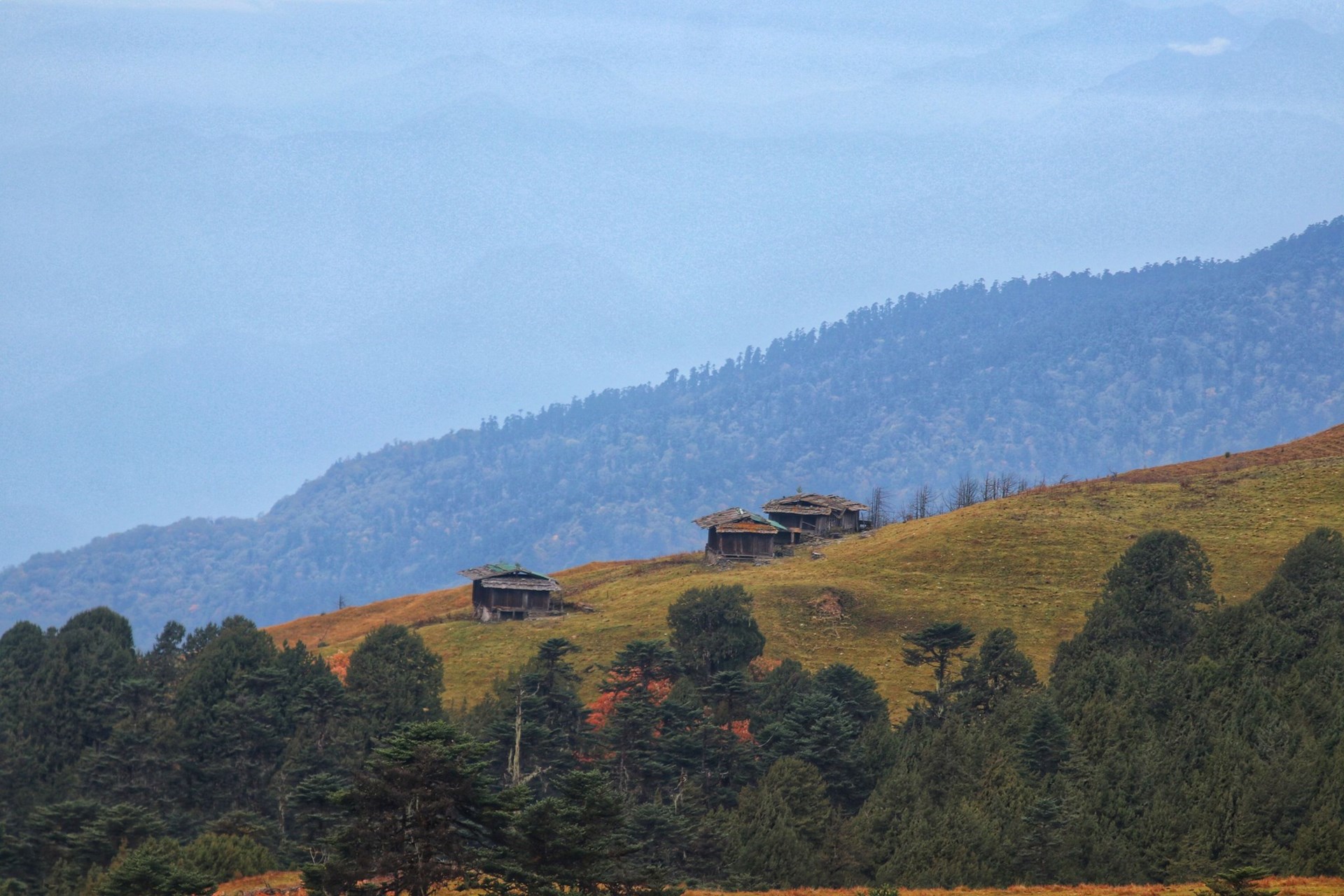
This ensures that wildlife and local traditions coexist sustainably.
How Travellers Can Visit Bhutan’s National Parks
To visit national parks in Bhutan:
- You must travel with a licensed Bhutanese tour operator
- Entry is usually included in your tourism package
- A guide is required in most protected areas
- Some regions require special permits for trekking
Most travellers experience these parks through:
- Cultural tours with nature extensions
- Birdwatching trips
- Multi-day trekking expeditions
- Eco-lodge stays near park boundaries
Best Time to Visit Bhutan’s National Parks
- March to May: Spring bloom and high wildlife activity
- September to November: Clear skies and ideal trekking conditions
- December to February: Best for winter wildlife like cranes and snow leopards (in higher altitudes)
Responsible Travel Tips
To help preserve Bhutan’s fragile ecosystems:
- Do not disturb wildlife or feeding areas
- Avoid littering in remote regions
- Stay on designated trails
- Respect local customs in park-adjacent villages
- Follow guide instructions at all times
Bhutan’s conservation success depends heavily on responsible visitor behaviour.
FAQs: National Parks in Bhutan
How many national parks are there in Bhutan?
Bhutan has five officially designated national parks: Jigme Dorji, Royal Manas, Jigme Singye Wangchuck, Phrumsengla, and Wangchuck Centennial. Together with four wildlife sanctuaries and strict nature reserves, these protected areas span over half of the country's total landmass.
Do I need a permit to visit Bhutan’s national parks?
Yes, most national parks require travel through a licensed tour operator, and permits are typically arranged as part of your Bhutan visa package.
Which is the largest national park in Bhutan?
Wangchuck Centennial National Park is the largest protected area in Bhutan.
Can tourists visit Royal Manas National Park?
Yes, but access is usually arranged through guided tours due to its remote location and protected ecosystems.
What is the best national park for wildlife in Bhutan?
Royal Manas National Park is best for tropical wildlife, while Jigme Dorji National Park is ideal for high-altitude species like snow leopards.
Are Bhutan’s national parks safe to visit?
Yes. Bhutan is one of the safest countries for travellers, and guided park visits are well-managed and regulated.



Follow Druk Asia on social media for inspiring travel stories, breathtaking photos, and the latest updates from Bhutan.
Ready to Experience the Magic of Bhutan?
Fill in the form below and the friendly Bhutan Travel Specialist team will get back to you with expert advice, itinerary ideas, and everything you need to know. No obligations, just warm guidance from those who know Bhutan best.
Thank you for your message!
Hang tight—one of our friendly Bhutan Travel Specialists from Druk Asia will be reaching out soon with expert tips, insider advice, and exciting itinerary ideas to help you plan the adventure of a lifetime!
Discover
Breathtaking
Bhutan.
Thank you for subscribing!
You have successfully subscribed to our newsletter.
