BHUTAN
Travelog
12
Mar, 2026

How Many Days Should You Spend in Bhutan to See the Main Highlights?
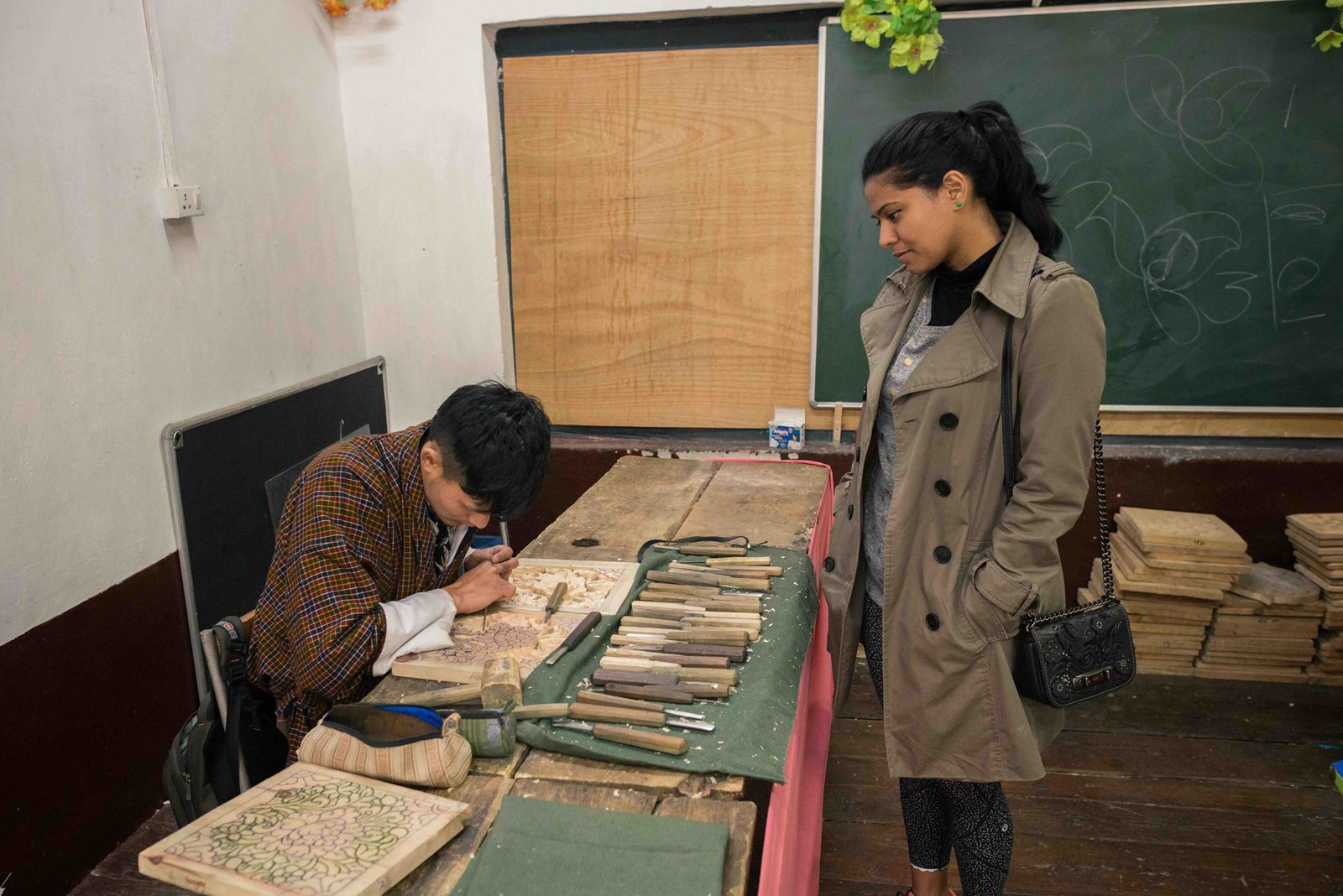
Bhutan is not the kind of destination you rush through. Tucked deep within the eastern Himalayas, the country reveals itself slowly — through winding mountain roads, quiet monasteries perched on cliffs, and valleys where traditions remain very much alive.
A common question many travellers ask while planning their trip is simple: How many days do I actually need in Bhutan?
The answer depends on what you hope to experience. Bhutan may look small on a map, but travelling between valleys takes time, and each region offers its own distinct culture, scenery and pace of life. Most visitors spend between 5 and 12 days in the country, with each duration offering a different depth of experience.
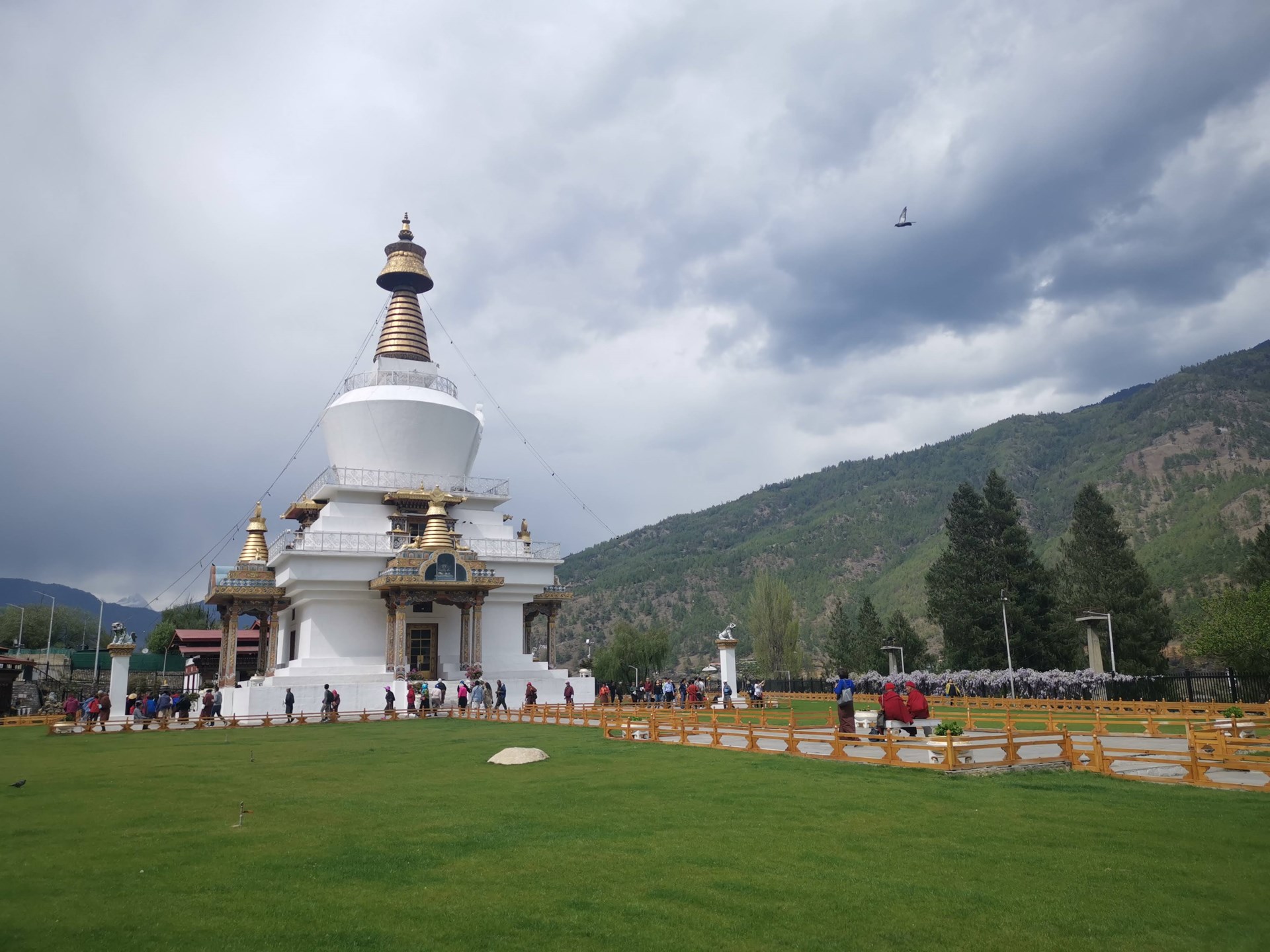
The Minimum: 5 Days in Bhutan
If your time is limited, a 5 day trip allows you to visit Bhutan’s two most accessible destinations: Paro and Thimphu.
Paro is home to Bhutan’s only international airport and several of the country’s most iconic sites, including the legendary Tiger’s Nest Monastery (Taktsang), dramatically perched on a cliff 900 metres above the valley floor. The hike to the monastery alone is often the highlight of a Bhutan trip.
Thimphu, the capital city, sits about an hour’s drive from Paro. Despite being Bhutan’s largest city, it retains a relaxed and distinctly Bhutanese atmosphere. Here you can explore Tashichho Dzong, the seat of Bhutan’s government and monastic body, visit the towering Buddha Dordenma statue, browse the weekend market, and learn about Bhutanese traditions at institutions such as the National Memorial Chorten and the Folk Heritage Museum.
A short itinerary typically includes:
-
Paro Taktsang (Tiger’s Nest Monastery)
-
Paro Dzong (Rinpung Dzong)
-
Kyichu Lhakhang, one of Bhutan’s oldest temples
-
Thimphu’s Buddha Dordenma statue
-
Tashichho Dzong
-
Local markets and handicraft centres
While this timeframe offers a glimpse of Bhutan, it can feel quite fast-paced. Travellers often leave wishing they had allowed a few more days.
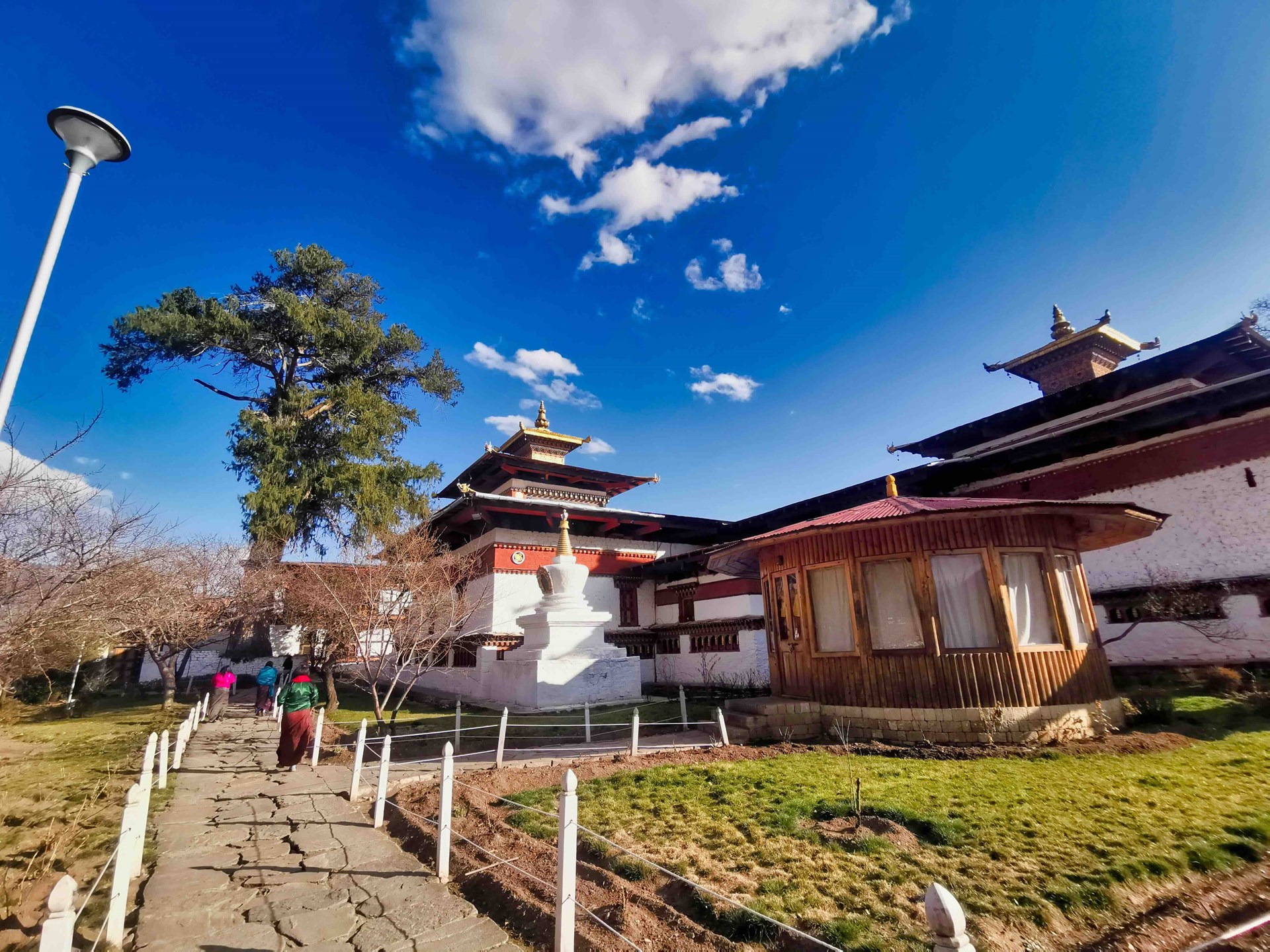
Most Popular 5 Days Tour to Bhutan
The Ideal First Trip: 6–8 Days in Bhutan
For most travellers, 6 to 8 days is the ideal length for a first visit to Bhutan. This allows you to explore the country’s three most famous valleys: Paro, Thimphu and Punakha.
Punakha lies about three hours east of Thimphu, crossing the scenic Dochula Pass, where 108 white chortens stand against a backdrop of Himalayan peaks. The journey itself is part of the experience.
Unlike the cooler alpine climate of Paro and Thimphu, Punakha enjoys a warmer subtropical valley environment. Rice fields stretch across the landscape, and the pace of life slows noticeably.
The highlight here is the magnificent Punakha Dzong, widely considered the most beautiful fortress-monastery in Bhutan. Built at the confluence of the Pho Chhu and Mo Chhu rivers, it served as Bhutan’s capital until the mid-20th century and remains one of the most historically significant sites in the country.
Other experiences often included in a 6–8 day trip:
-
Walking across the Punakha Suspension Bridge, one of the longest in Bhutan
-
Visiting Chimi Lhakhang, the fertility temple dedicated to the Divine Madman, Drukpa Kunley
-
Scenic drives through terraced valleys and mountain forests
-
Traditional farmhouse visits to learn about Bhutanese rural life
This itinerary offers a balanced introduction to Bhutan’s culture, landscapes and spirituality without feeling rushed.
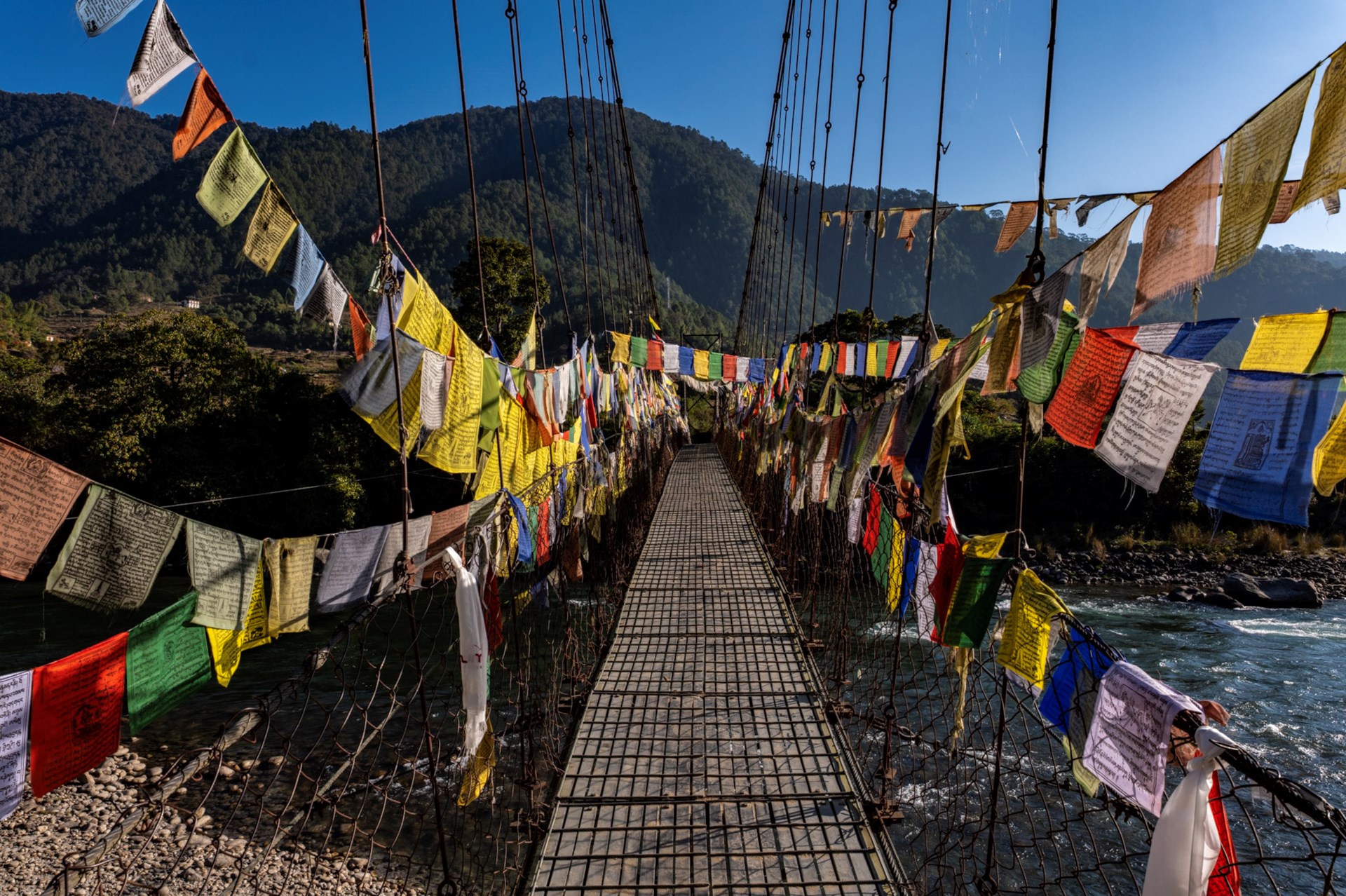
The Deeper Journey: 9–12 Days in Bhutan
Travellers with 9 to 12 days can venture further into central Bhutan, particularly the sacred valley of Bumthang.
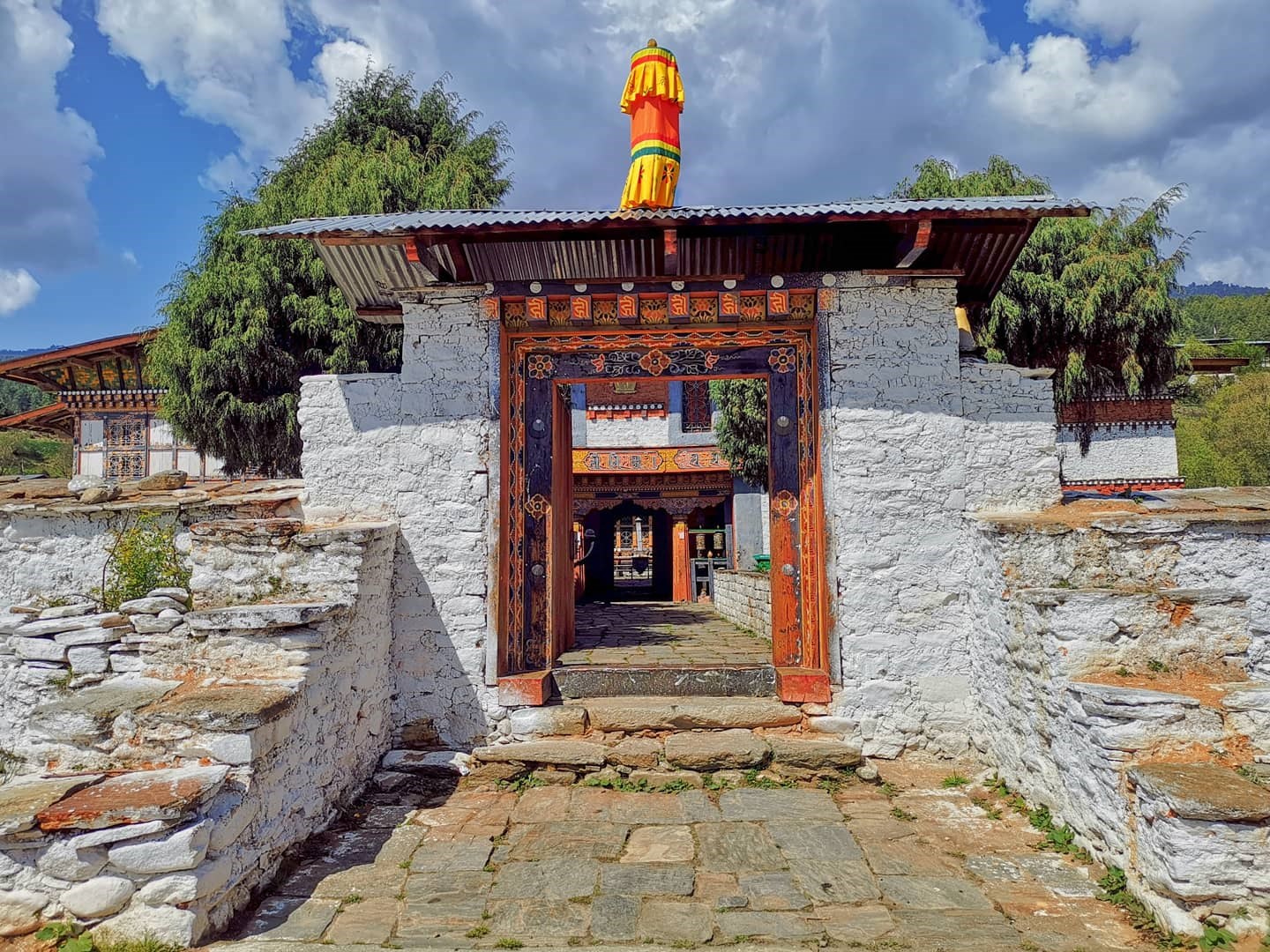
Bumthang is often described as the spiritual heartland of Bhutan. The region consists of four interconnected valleys filled with ancient temples, monasteries and pilgrimage sites linked to the arrival of Buddhism in the country.
Some of Bhutan’s most important religious landmarks are found here, including:
-
Jambay Lhakhang, one of the 108 temples said to have been built by Tibetan King Songtsen Gampo in the 7th century
-
Kurjey Lhakhang, where Guru Rinpoche is believed to have meditated
-
Tamshing Lhakhang, founded by the great Buddhist master Pema Lingpa
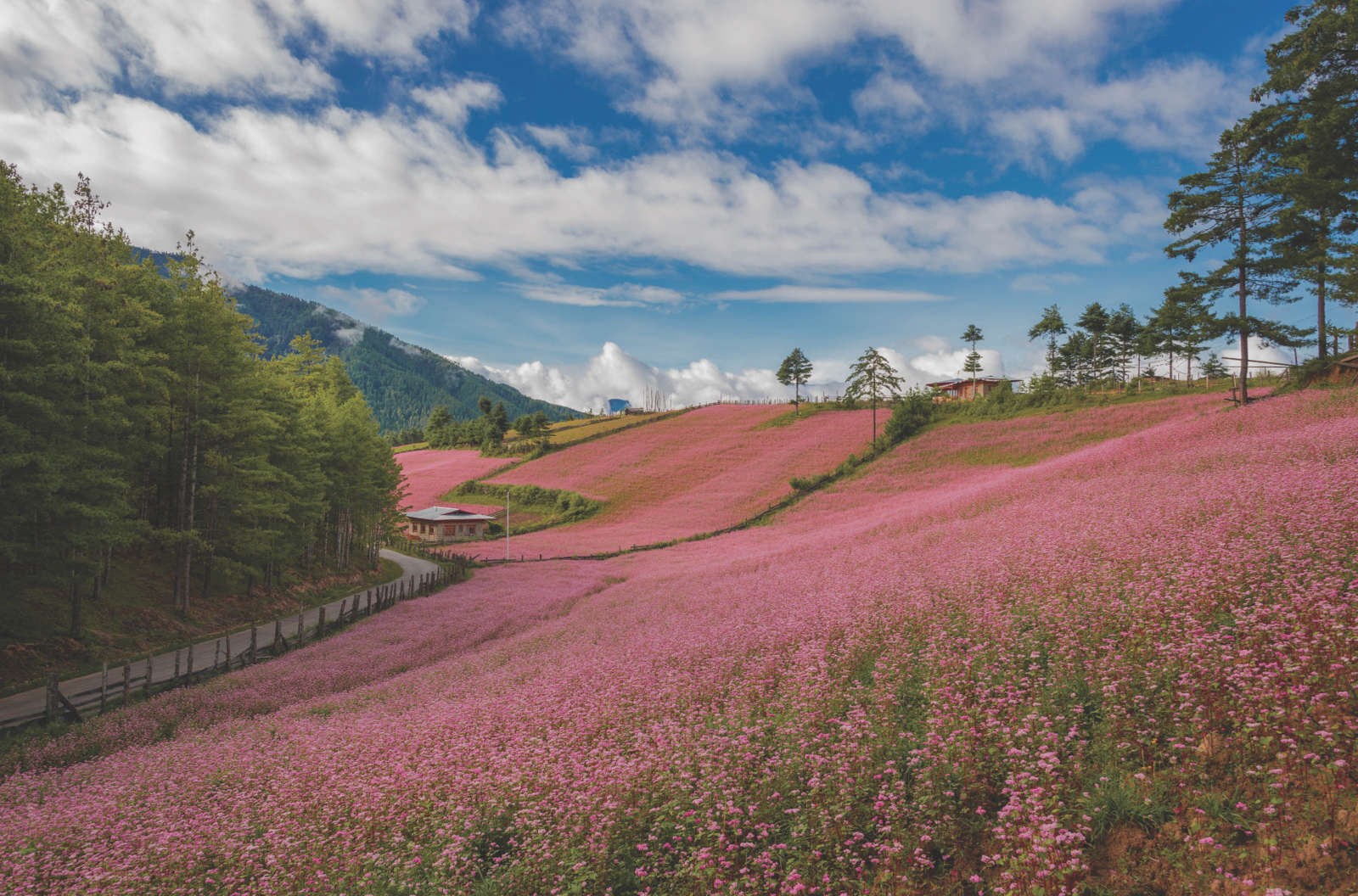
Bumthang also offers a gentler, more rural side of Bhutan. You may see locals tending buckwheat fields, traditional weaving houses producing intricate yathra textiles, and quiet village life that feels almost unchanged by time.
Reaching Bumthang requires a longer drive from Punakha through Bhutan’s mountainous interior, which is why having additional days makes the journey far more enjoyable.
Most Popular 10 Days Tour to Bhutan
For Adventurers: 12–14 Days or More
If you have two weeks or longer, Bhutan begins to open up in ways that many shorter itineraries cannot.
With extra time, travellers can explore:
-
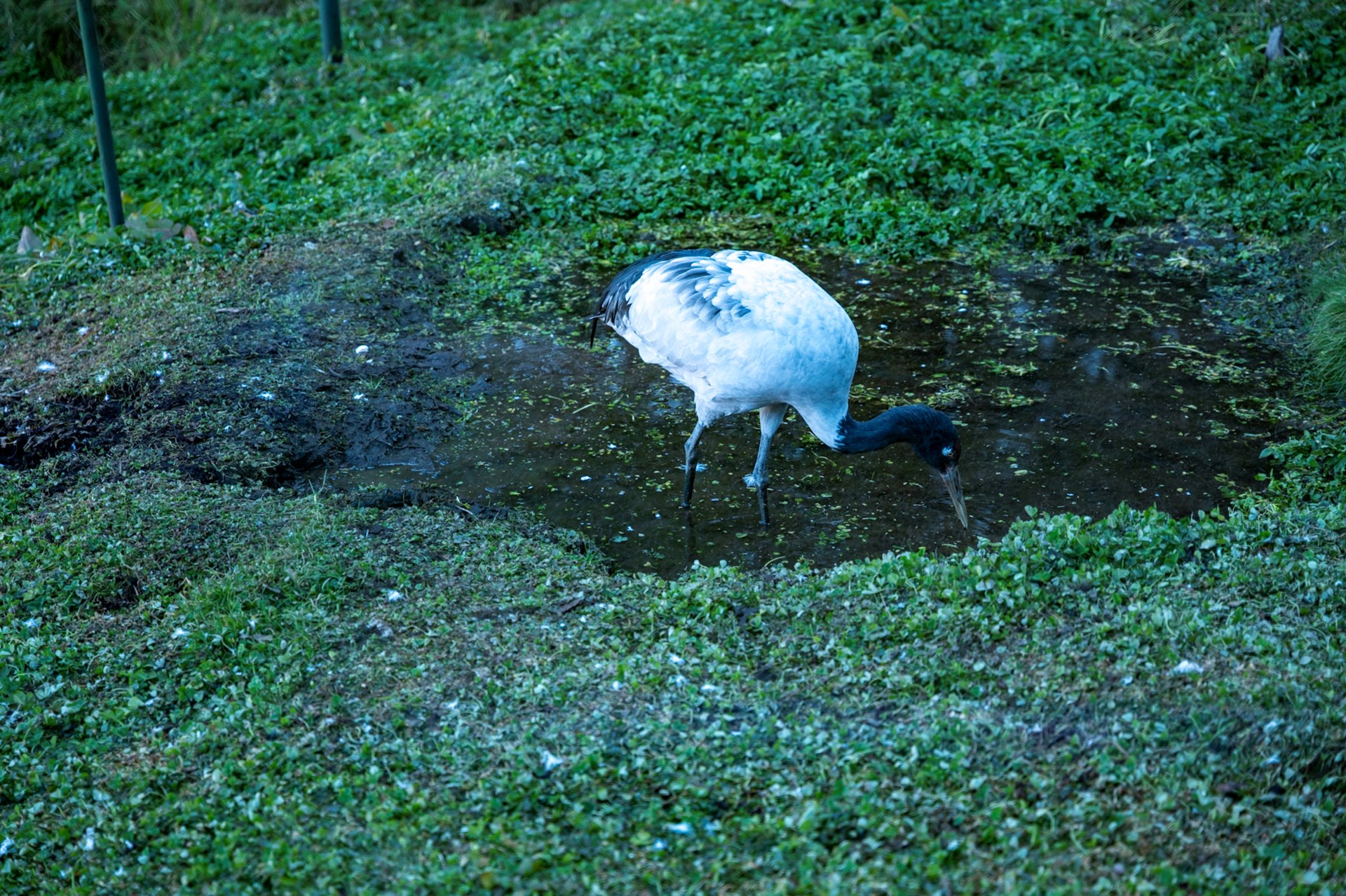
The glacial valley of Phobjikha, home to the endangered black-necked cranes that migrate from Tibet each winter
-
Remote eastern districts such as Trashigang and Mongar, where Bhutanese culture remains deeply traditional
-
Multi-day trekking routes like the Druk Path Trek or Jomolhari Trek
-
Popular festivals known as tshechus, where masked dances bring Bhutanese spiritual stories vividly to life
Longer journeys allow you to travel at Bhutan’s natural rhythm, spending more time in villages, monasteries and quiet landscapes.
Most Popular 15 Days Tour to Bhutan



Follow Druk Asia on social media for inspiring travel stories, breathtaking photos, and the latest updates from Bhutan.
Ready to Experience the Magic of Bhutan?
Fill in the form below and the friendly Bhutan Travel Specialist team will get back to you with expert advice, itinerary ideas, and everything you need to know. No obligations, just warm guidance from those who know Bhutan best.
Thank you for your message!
Hang tight—one of our friendly Bhutan Travel Specialists from Druk Asia will be reaching out soon with expert tips, insider advice, and exciting itinerary ideas to help you plan the adventure of a lifetime!
Discover
Breathtaking
Bhutan.
Thank you for subscribing!
You have successfully subscribed to our newsletter.
