BHUTAN
Travelog
05
Jun, 2026

Hidden Villages in Bhutan Worth Visiting
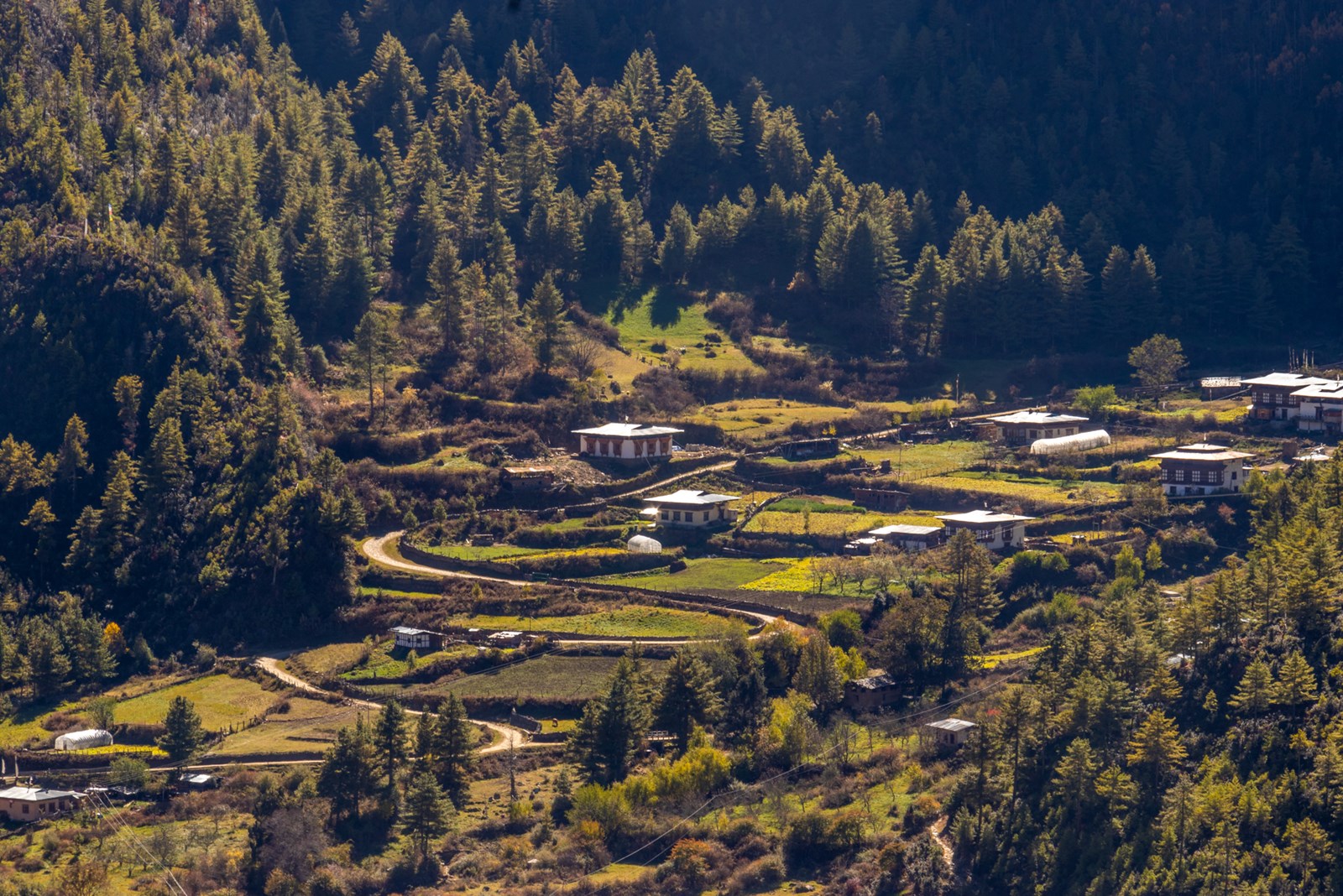
Bhutan is often described as one of the world’s last great Himalayan kingdoms, but beyond its famous monasteries and popular tourist routes lies another side of the country that many travelers never experience.
Scattered across mountain valleys, forested hills, and remote highlands are traditional villages where life still moves slowly. In these quieter places, visitors can experience Bhutan beyond the landmarks — through local hospitality, farming traditions, handmade crafts, mountain scenery, and everyday village life.
For travelers seeking authenticity, cultural immersion, and peaceful landscapes, these hidden villages in Bhutan are well worth adding to the itinerary.
Why Visit Bhutan’s Hidden Villages?
While destinations like Paro, Thimphu, and Punakha attract most visitors, Bhutan’s smaller villages offer:
- Fewer tourists
- More traditional lifestyles
- Scenic rural landscapes
- Authentic cultural experiences
- Homestays and farmhouse stays
- Opportunities for slow travel
Many villages remain deeply connected to farming, weaving, religion, and community traditions that have changed little over generations.
Ura Village, Bumthang
Located in the eastern part of the Bumthang region, Ura is one of Bhutan’s most picturesque villages.
The village is known for:
- Traditional stone houses
- Narrow lanes
- Mountain scenery
- Seasonal farming landscapes
Ura feels especially beautiful during autumn when fields turn golden and villagers prepare for harvest season.
Unlike Bhutan’s larger towns, Ura remains quiet and deeply rural, making it ideal for travelers interested in photography and village life.
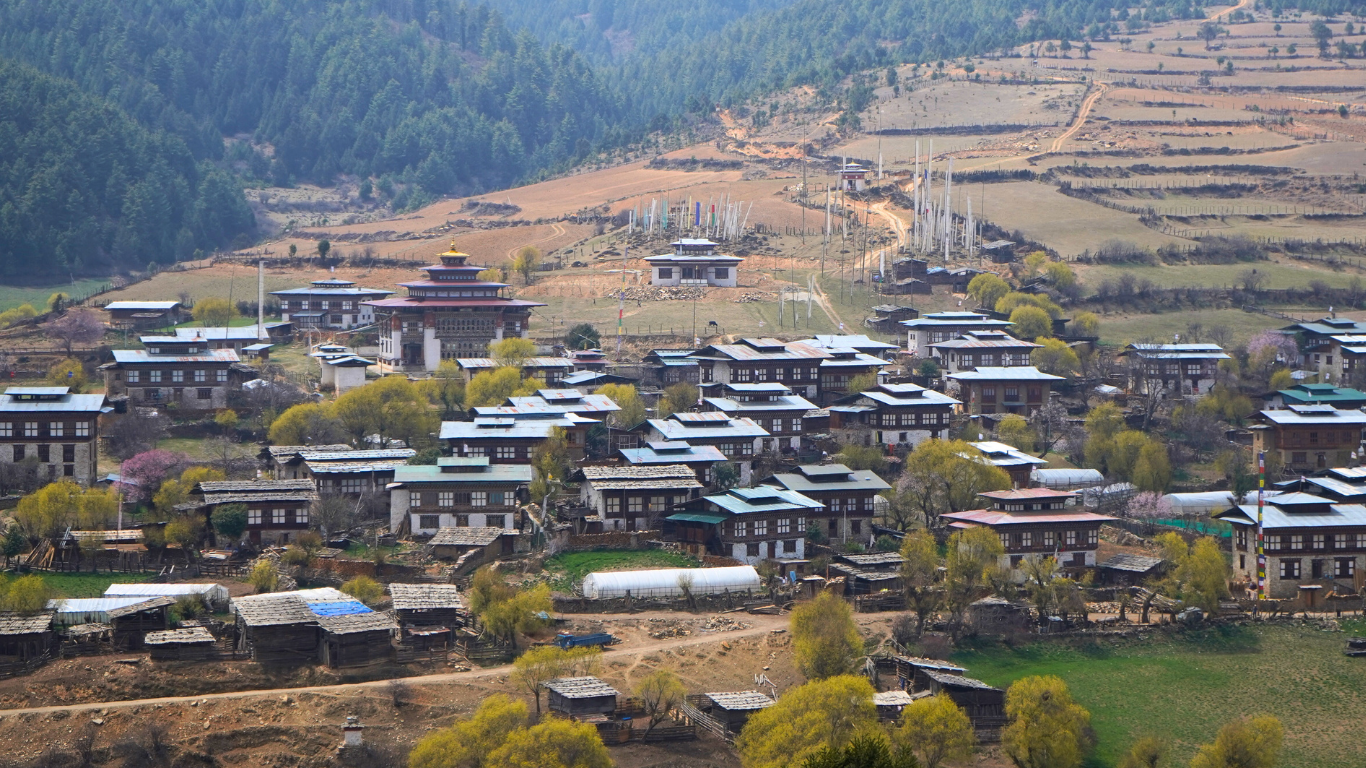
Gangtey Village, Phobjikha Valley
Although the Phobjikha Valley has become more popular in recent years, Gangtey Village still retains a peaceful atmosphere compared to Bhutan’s main tourist centers.
The village sits beside one of Bhutan’s most scenic glacial valleys and is famous for:
- Black-necked crane migration season
- Traditional farmhouses
- Wide open landscapes
- Nature trails
Winter is particularly special when endangered black-necked cranes arrive from Tibet.
Gangtey is also one of the best villages in Bhutan for slow travel and nature-focused experiences.
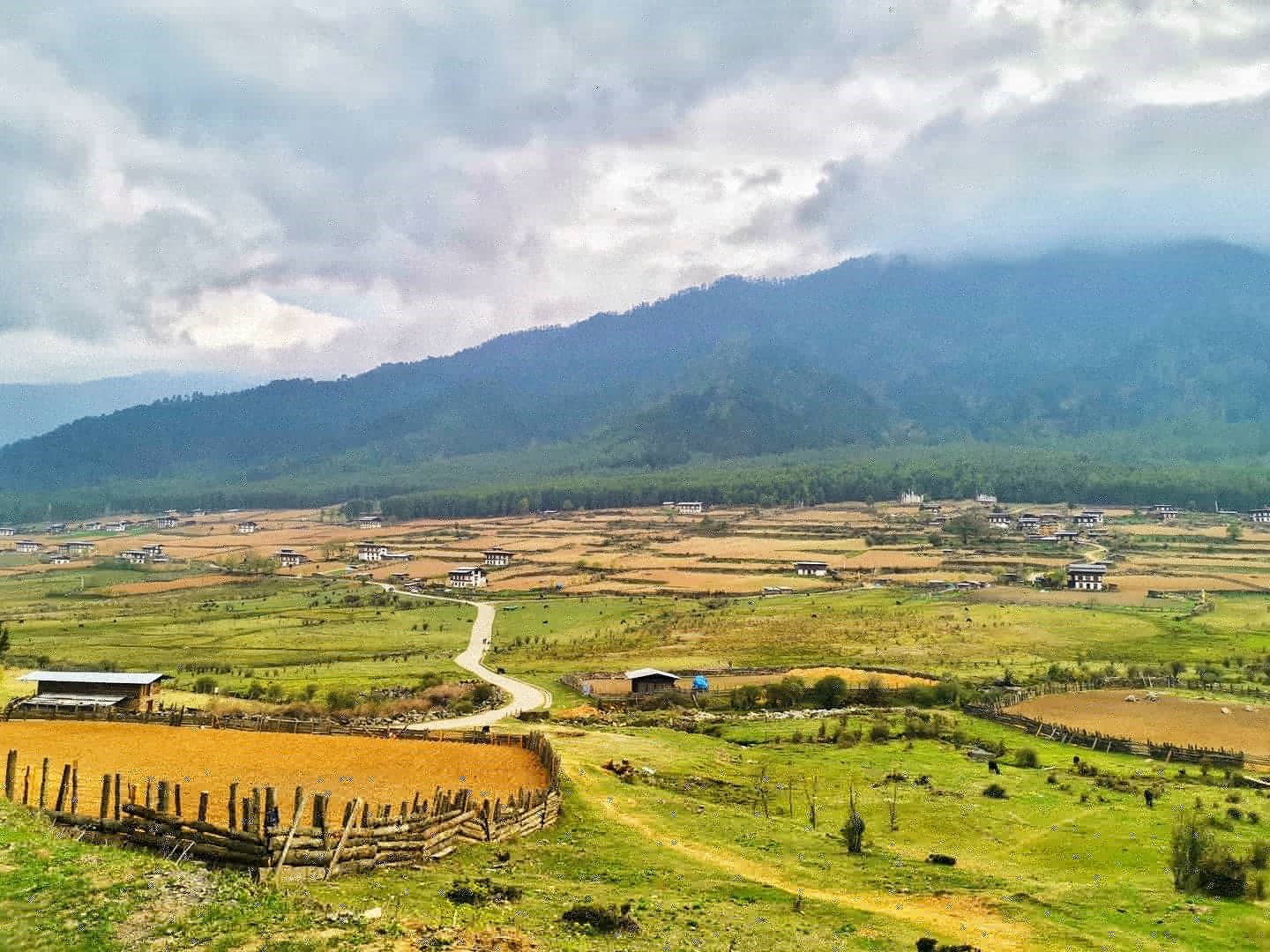
Laya Village, Gasa District
Laya is one of Bhutan’s most remote highland villages.
Located at around 3,800 meters above sea level, the village is traditionally home to the Layap people, known for their distinctive clothing and semi-nomadic culture.
Visitors come to Laya for:
- Himalayan trekking
- Mountain scenery
- High-altitude village culture
- Traditional yak-herding communities
Because of its remote location, reaching Laya usually requires several days of trekking, often as part of the Snowman Trek or Laya-Gasa Trek.
The isolation is part of what makes the village unforgettable.
Drinchengang Village, Wangdue Phodrang
Just across the river from Wangdue Phodrang lies the small village of Drinchengang, formerly known as Rinchengang.
The village is known for:
- Clustered traditional Bhutanese homes
- Cobblestone pathways
- Historic village architecture
- Views over the valley
Many travelers pass nearby without stopping, but Rinchengang offers a rare look at older Bhutanese settlement design.
The village remains relatively untouched by modern development.
Tang Valley Villages, Bumthang
The Tang Valley is one of Bhutan’s quieter and less-visited regions.
Small villages scattered throughout the valley offer:
- Peaceful hiking routes
- Pine forest scenery
- Farm stays
- Traditional rural culture
Compared to central Bumthang, Tang feels more remote and slower-paced.
Travelers interested in village walks, photography, and immersive travel experiences often find Tang especially rewarding.
Merak Village, Eastern Bhutan
Merak is one of eastern Bhutan’s hidden cultural gems.
Located in the remote highlands near Trashigang, the village is home to the Brokpa people, a semi-nomadic community known for:
- Yak herding traditions
- Distinctive woven clothing
- Highland lifestyles
- Unique cultural identity
The landscapes surrounding Merak are dramatic and rugged, with mountain trails and alpine scenery dominating the region.
Tourism remains limited here, making visits feel especially authentic.
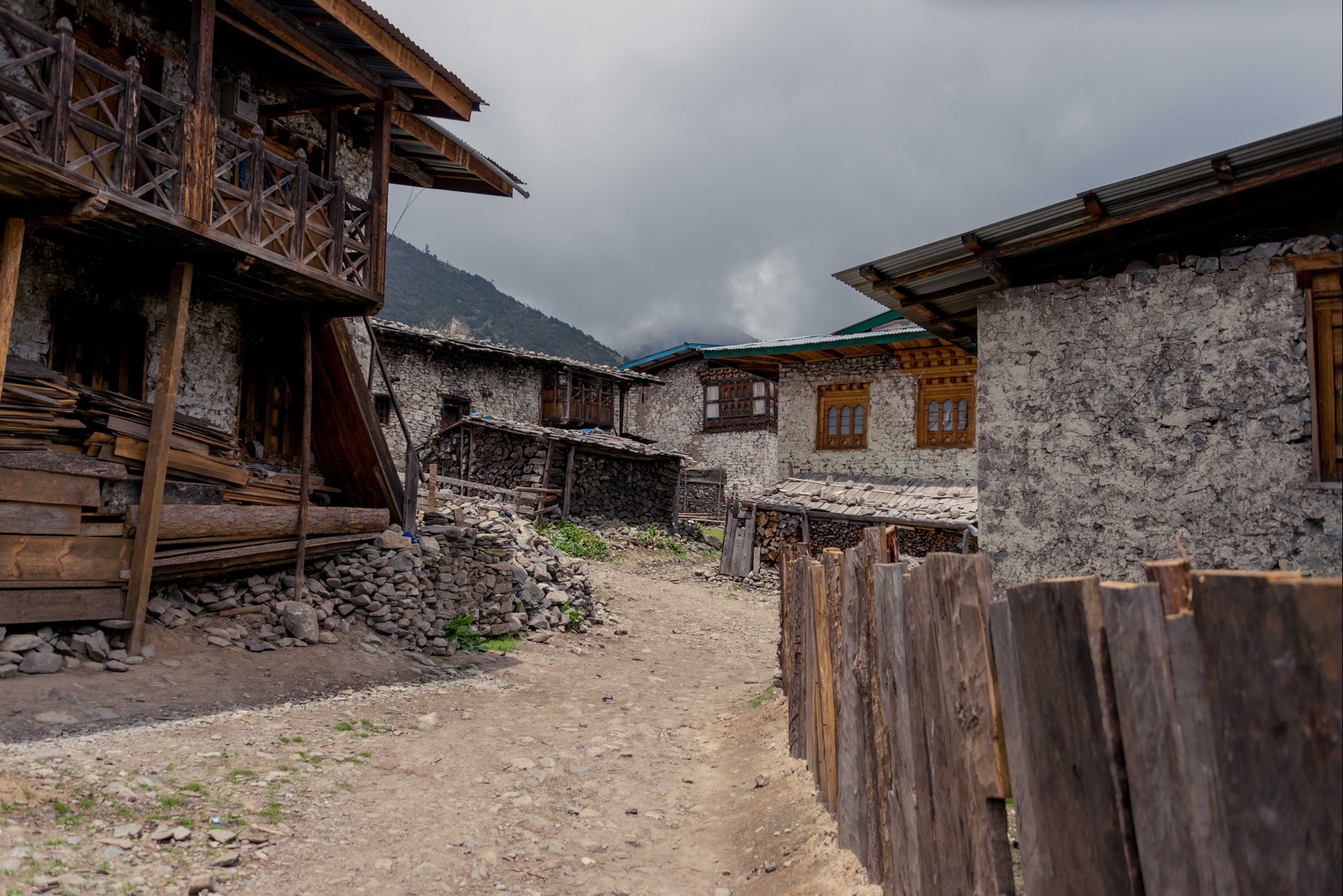
Haa Valley Villages
The Haa Valley is one of western Bhutan’s least-visited regions, and its small villages are among the country’s most peaceful.
Visitors can experience:
- Traditional farmhouses
- Quiet mountain roads
- Local hospitality
- Alpine scenery
- Agricultural lifestyles
The valley’s slower rhythm is part of its appeal.
Many travelers visiting Haa say the village experiences become more memorable than major sightseeing attractions.
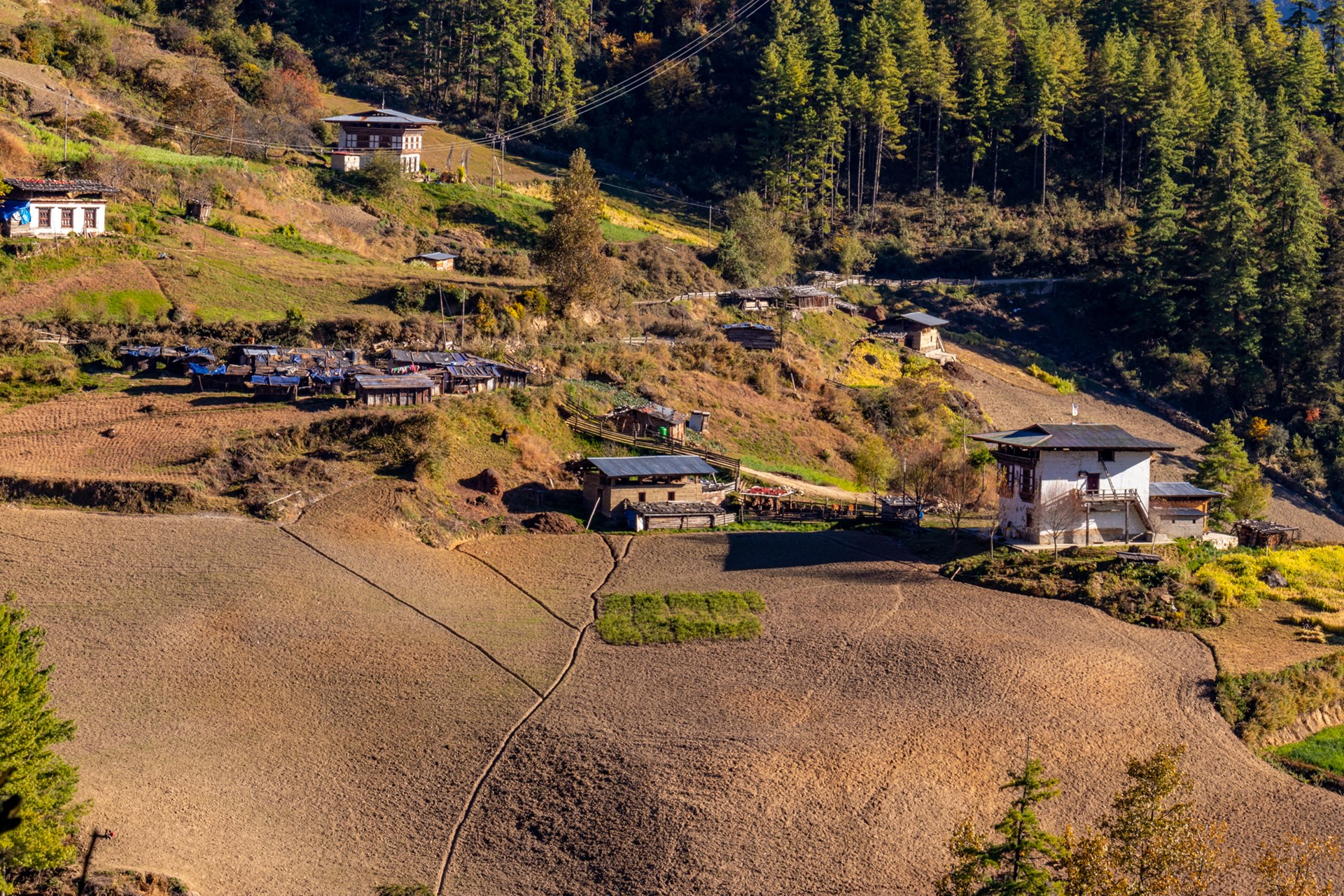
Nubgang Village, Trongsa
Nubgang is a traditional village located near Trongsa in central Bhutan.
The village offers:
- Scenic hillside views
- Traditional Bhutanese homes
- Quiet walking paths
- Opportunities to observe daily life
Its location also makes it a good stop for travelers journeying between western and central Bhutan.
Khoma Village, Lhuentse
Khoma is one of Bhutan’s most important weaving villages.
Located in eastern Bhutan’s Lhuentse District, the village is famous for producing:
- Kishuthara textiles
- Intricate handwoven fabrics
- Traditional Bhutanese weaving styles
Visitors can watch local artisans weaving by hand inside village homes and workshops.
For travelers interested in Bhutanese craftsmanship, Khoma is one of the best cultural villages in the country.
What Makes Bhutan’s Villages Special?
Unlike many tourist destinations where rural areas have become commercialized, many Bhutanese villages still preserve:
- Traditional architecture
- Community-based lifestyles
- Farming traditions
- Religious customs
- Handcrafted arts
- Deep connections to nature
The experience is often less about sightseeing and more about atmosphere and human connection.
Tips for Visiting Villages in Bhutan
Respect Local Customs
Dress modestly and ask permission before photographing people or religious sites.
Travel Slowly
Village experiences are best enjoyed without rushing. Spending extra time often leads to more meaningful interactions.
Stay in Farmhouses or Homestays
Homestays provide opportunities to experience:
- Bhutanese meals
- Traditional hospitality
- Local customs
- Rural daily life
Prepare for Limited Connectivity
Some remote villages may have:
- Weak mobile signals
- Limited internet access
- Fewer modern conveniences
For many travelers, this becomes part of the experience.
Best Time to Visit Bhutan’s Villages
Spring (March to May)
Spring offers:
- Rhododendron blooms
- Green landscapes
- Comfortable weather
Autumn (September to November)
Autumn is considered the best overall season due to:
- Clear mountain views
- Harvest season scenery
- Pleasant temperatures
Winter (December to February)
Some high-altitude villages become colder and harder to access, but lower valleys remain beautiful and peaceful.
Are Bhutan’s Hidden Villages Worth Visiting?
Absolutely.
For travelers looking beyond famous monasteries and tourist landmarks, Bhutan’s hidden villages provide some of the country’s most meaningful travel experiences.
They offer a chance to slow down, experience local culture more deeply, and see a quieter side of the Himalayan kingdom that many visitors never discover.
FAQs About Hidden Villages in Bhutan
What are the most beautiful villages in Bhutan?
Some of Bhutan’s most beautiful villages include Ura, Gangtey, Laya, Merak, Khoma, and the villages of Haa Valley.
Can tourists stay in Bhutanese villages?
Yes. Many villages offer farmhouse stays, homestays, and small guesthouses where travelers can experience local hospitality and culture.
Which village in Bhutan is best for cultural experiences?
Khoma, Merak, and Laya are especially known for strong cultural traditions, weaving, and traditional lifestyles.
Are Bhutan’s villages safe for tourists?
Yes. Bhutan is generally considered one of the safest countries for travelers, including rural village areas.
What is the best time to visit villages in Bhutan?
Spring and autumn are usually the best seasons because of pleasant weather, clear skies, and scenic landscapes.
Can you visit remote villages independently in Bhutan?
Travel regulations can vary, and many international visitors still travel with guides or organized tours. Travelers should verify the latest Bhutan tourism rules before visiting.
Which Bhutanese village is famous for weaving?
Khoma Village in Lhuentse is one of Bhutan’s most famous weaving villages, especially known for Kishuthara textiles.
Are there trekking villages in Bhutan?
Yes. Villages like Laya and Merak are popular destinations along trekking routes in the Himalayas.
What should I expect in a Bhutan farmhouse stay?
Farmhouse stays often include homemade meals, traditional Bhutanese hospitality, hot stone baths, and opportunities to experience rural village life.
Why are Bhutan’s hidden villages special?
Bhutan’s villages remain culturally preserved, less commercialized, and deeply connected to traditional lifestyles, making them ideal for authentic travel experiences.



Follow Druk Asia on social media for inspiring travel stories, breathtaking photos, and the latest updates from Bhutan.
Ready to Experience the Magic of Bhutan?
Fill in the form below and the friendly Bhutan Travel Specialist team will get back to you with expert advice, itinerary ideas, and everything you need to know. No obligations, just warm guidance from those who know Bhutan best.
Thank you for your message!
Hang tight—one of our friendly Bhutan Travel Specialists from Druk Asia will be reaching out soon with expert tips, insider advice, and exciting itinerary ideas to help you plan the adventure of a lifetime!
Discover
Breathtaking
Bhutan.
Thank you for subscribing!
You have successfully subscribed to our newsletter.
