BHUTAN
Travelog
29
Jul, 2026

Driving Conditions in Bhutan: What Tourists Should Expect (Road Travel Guide)
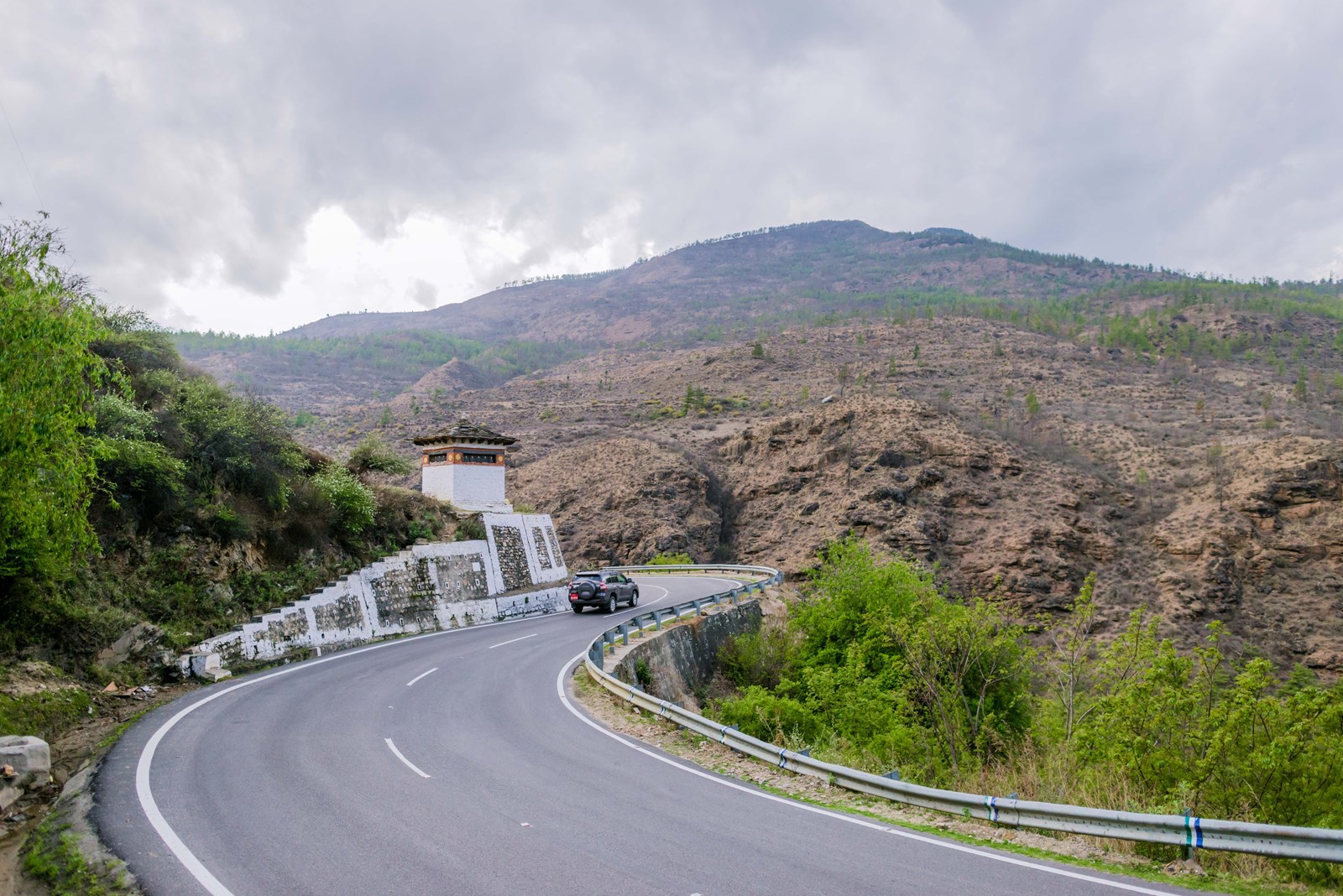
Traveling across Bhutan is as much about the journey as the destination. The country’s winding mountain roads, dramatic valleys, and cliffside routes create some of the most scenic drives in the Himalayas. However, these same landscapes also mean that driving conditions in Bhutan can be challenging, especially for visitors unfamiliar with mountainous terrain.
Whether you are traveling between Paro and Thimphu or heading into remote valleys, understanding road conditions will help you plan a safer and more comfortable trip.
Overview of Driving in Bhutan
Driving in Bhutan is:
- Primarily on mountainous, winding roads
- Mostly on paved but narrow highways
- Often affected by weather and landslides
- Slow-paced due to terrain and safety rules
Most tourists do not drive themselves. Instead, transportation is arranged through licensed tour operators with experienced local drivers.
Can tourists drive in Bhutan?
Tourists are generally not allowed or expected to self-drive. Instead:
- All tours include a professional Bhutanese driver
- Vehicles are arranged by licensed tour operators
- Drivers are experienced with mountain road conditions
- Travel is usually in SUVs, vans, or minibuses
This system ensures safety and reduces navigation challenges for visitors.
Road Conditions in Bhutan
1. Mountain Roads and Curves
Most roads in Bhutan:
- Follow steep mountain contours
- Include sharp hairpin bends
- Are narrow in many sections
- Have limited guardrails in remote areas
These roads are safe but require slow and careful driving.
2. Landslides and Weather Impacts
Bhutan’s terrain and monsoon climate can affect roads:
- Landslides may occur during heavy rains (June–September)
- Road closures can happen temporarily
- Maintenance crews clear roads quickly when possible
- Travel delays are common during monsoon season
3. Road Quality Varies by Region
- Western Bhutan (Paro, Thimphu, Punakha): generally well-maintained highways
- Central Bhutan: mixed conditions with ongoing improvements
- Eastern Bhutan: more rugged and less developed roads
- Remote valleys: rougher terrain and longer travel times
4. Driving Speeds Are Slow
Even on good roads:
- Average speeds are low due to curves and terrain
- Long distances take more time than expected
- Overtaking is limited and carefully managed
- Safety always takes priority over speed
For example, a short 60 km journey may take 2–3 hours.
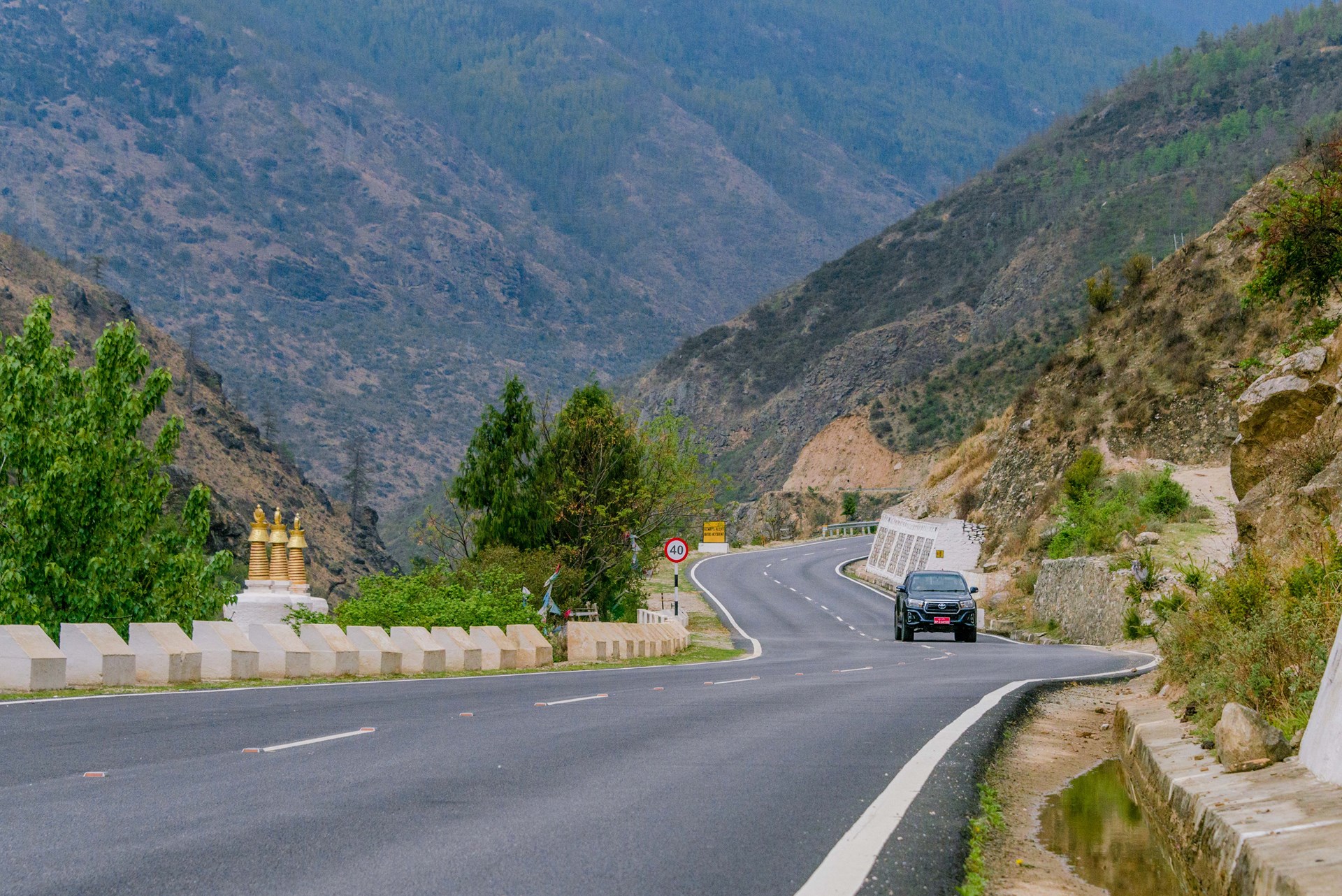
Scenic But Slow Travel
One of the most memorable aspects of driving in Bhutan is the scenery:
- Deep forested valleys
- Snow-capped Himalayan peaks
- Riverside roads and suspension bridges
- Traditional villages along mountain slopes
- Constantly changing elevation views
Many travellers find road journeys part of the experience itself.
Key Driving Routes in Bhutan
Paro to Thimphu Highway
Paro to Thimphu is one of the most commonly travelled routes.
Highlights:
- Smooth but winding mountain highway
- Scenic river valleys and forested hills
- Approximately 1.5–2 hours travel time
Thimphu to Punakha
Punakha Valley route via Dochula Pass is one of Bhutan’s most beautiful drives.
Highlights:
- Crosses Dochula Pass with Himalayan views
- Descends into warmer subtropical valleys
- Popular stop for photography
Central and Eastern Routes
Bumthang Valley and eastern regions involve longer, more rugged journeys.
Expect:
- Longer travel times
- More remote and less developed roads
- Stunning natural landscapes
Safety Standards on Bhutan Roads
Bhutan places strong emphasis on road safety:
- Strict speed limits
- Professional licensed drivers only
- Regular vehicle inspections
- Driving restrictions during extreme weather
Road safety is taken seriously due to the mountainous terrain.
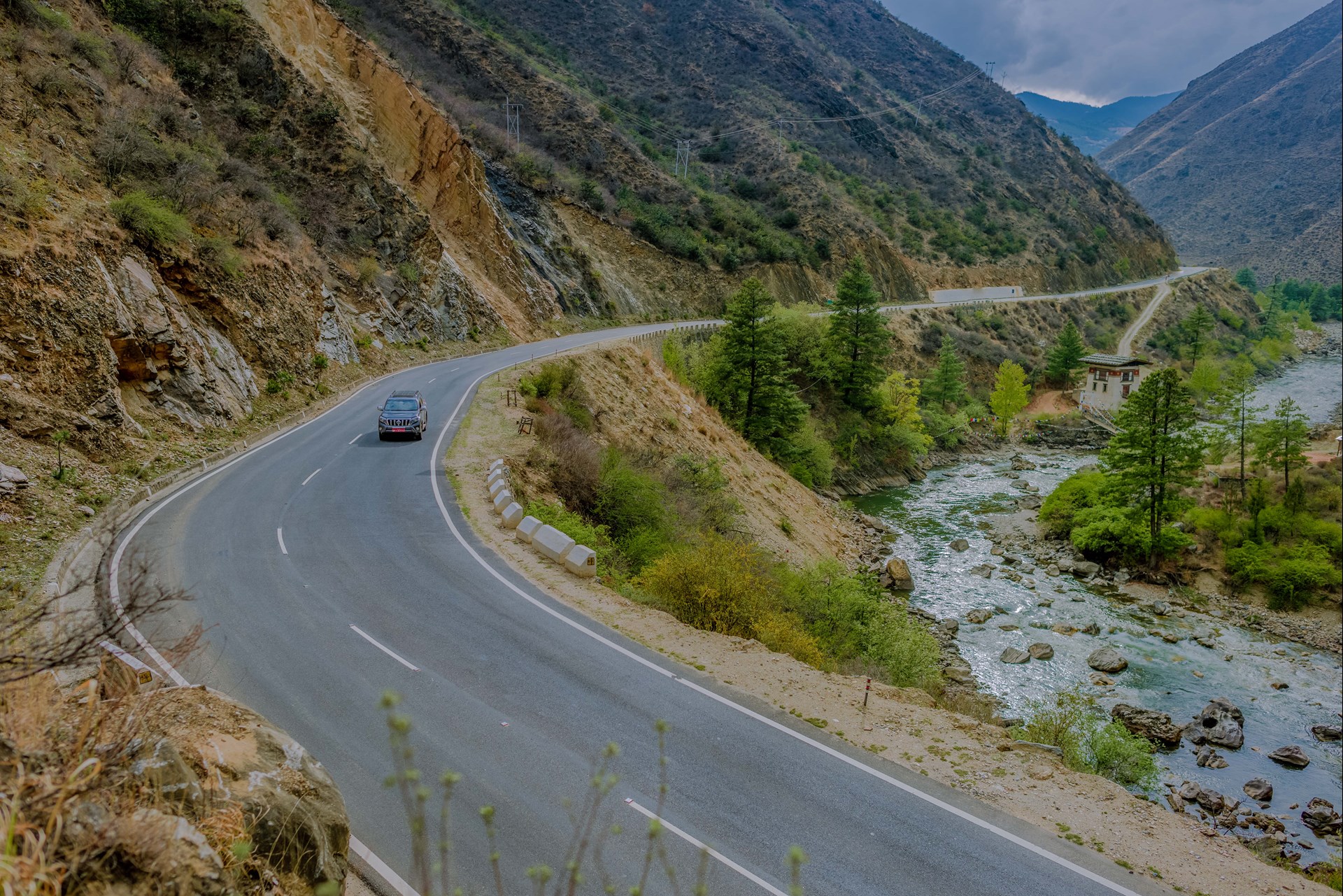
Best Time for Road Travel in Bhutan
- March to May: Good visibility and pleasant weather
- September to November: Best road conditions and clear skies
- December to February: Cold but stable driving conditions
- June to August: Monsoon season (risk of landslides and delays)
Travel Tips for Road Journeys in Bhutan
- Prepare motion sickness medication if you are prone to motion sickness
- Sit in front seats if prone to nausea
- Carry water and light snacks
- Allow extra travel time between destinations
- Avoid tight schedules due to road variability
What Makes Driving in Bhutan Unique
Unlike many destinations, Bhutan’s road journeys are:
- Highly scenic and immersive
- Slow-paced and relaxing (despite curves)
- Integrated with cultural stops and viewpoints
- Part of the overall travel experience
The journey itself often becomes a highlight of the trip.
FAQs: Driving Conditions in Bhutan
Do tourists drive in Bhutan?
No, tourists generally do not self-drive. Transportation is arranged through licensed tour operators with professional drivers.
Are roads in Bhutan safe?
Yes, roads are generally safe but require careful driving due to mountains, curves, and weather conditions.
How long does it take to travel between cities in Bhutan?
Distances are short but travel times are long due to winding roads. A 60 km journey can take 2–3 hours.
What is the worst season for driving in Bhutan?
The monsoon season (June to August) can cause landslides and delays.
Is motion sickness common in Bhutan?
Yes. Motion sickness is fairly common in Bhutan due to the country's winding mountain roads. However, one reassuring aspect is that most Bhutan itineraries are relaxed and unhurried. Unlike large coach tours in many destinations, private tours offer plenty of flexibility for comfort breaks, photography stops and short walks, all of which can help relieve motion sickness. If you are prone to travel sickness, we recommend bringing motion sickness medication such as Dramamine or Bonine as a precaution.
What type of vehicles are used in Bhutan tours?
Most tours use SUVs, vans, or minibuses driven by experienced local drivers.



Follow Druk Asia on social media for inspiring travel stories, breathtaking photos, and the latest updates from Bhutan.
Ready to Experience the Magic of Bhutan?
Fill in the form below and the friendly Bhutan Travel Specialist team will get back to you with expert advice, itinerary ideas, and everything you need to know. No obligations, just warm guidance from those who know Bhutan best.
Thank you for your message!
Hang tight—one of our friendly Bhutan Travel Specialists from Druk Asia will be reaching out soon with expert tips, insider advice, and exciting itinerary ideas to help you plan the adventure of a lifetime!
Discover
Breathtaking
Bhutan.
Thank you for subscribing!
You have successfully subscribed to our newsletter.
