BHUTAN
Travelog
16
Apr, 2026

Cycling in Bhutan: The Ultimate Guide to the Kingdom on Two Wheels
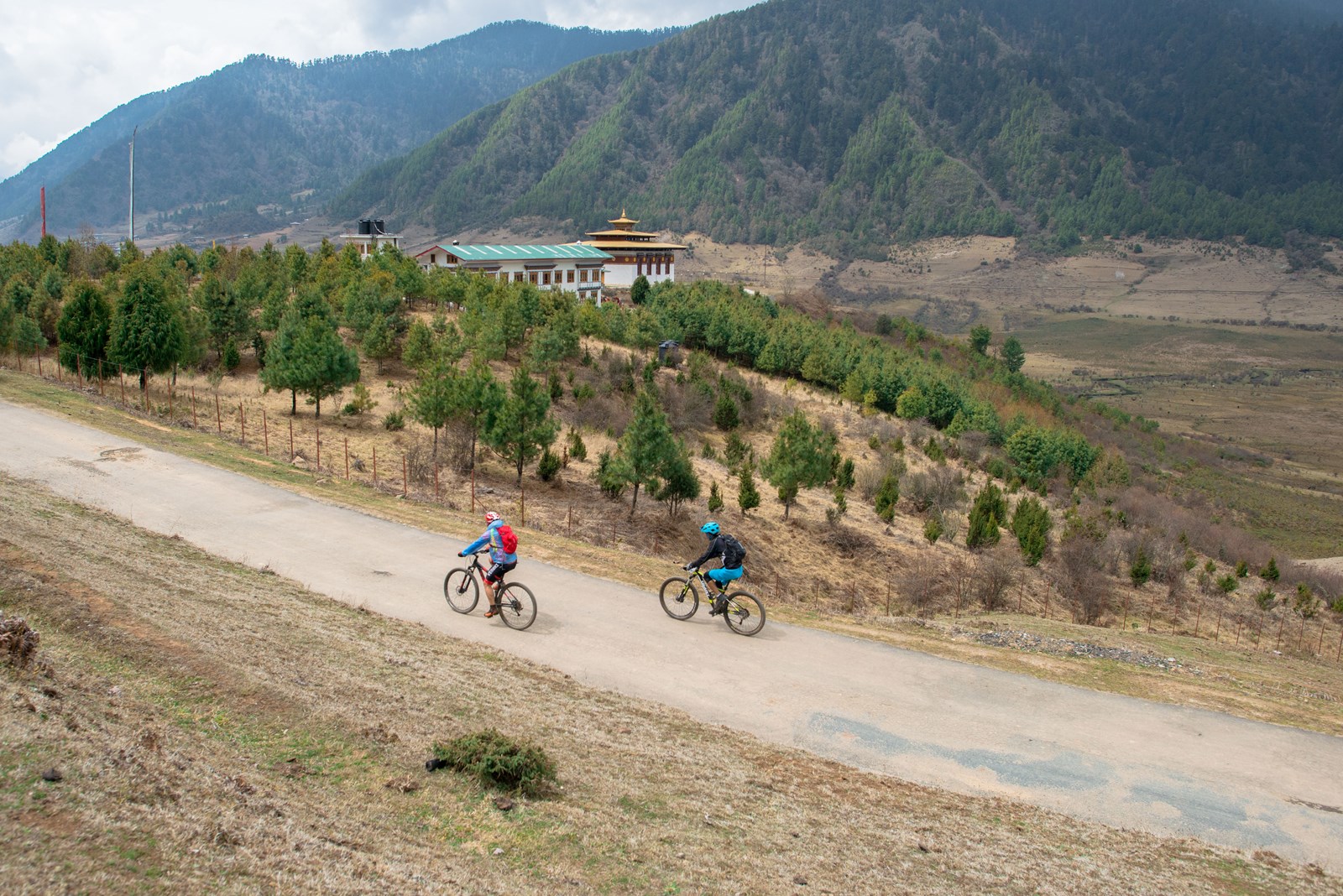
Cycling through Bhutan isn’t just about distance or elevation—it’s about rhythm. The rhythm of prayer flags fluttering at high passes, of monks walking quietly along mountain roads, of valleys opening slowly as you descend. Bhutan offers something rare in today’s world: roads that feel almost untouched, where every climb leads not just to a view, but to a deeper sense of place.
Best Cycling Routes in Bhutan
Best for First-Timers
Thimphu – Paro | Punakha – Wangdue | Phobjikha Loop
If you’re new to cycling in Bhutan, these routes offer the perfect introduction—gentle gradients, cultural landmarks, and just enough challenge to feel rewarding.
- Thimphu to Paro (≈65 km): A scenic ride following river valleys, with manageable climbs and smooth roads—ideal for easing into Bhutan’s terrain.
- Punakha to Wangdue (≈50 km): One of the most relaxing rides in Bhutan, passing rice fields, rivers, and the iconic Punakha Dzong.
- Phobjikha Loop: A serene ride through a vast glacial valley known for its wide open landscapes and black-necked cranes in winter.
These routes are forgiving, scenic, and deeply immersive—perfect for riders who want to enjoy Bhutan rather than conquer it.
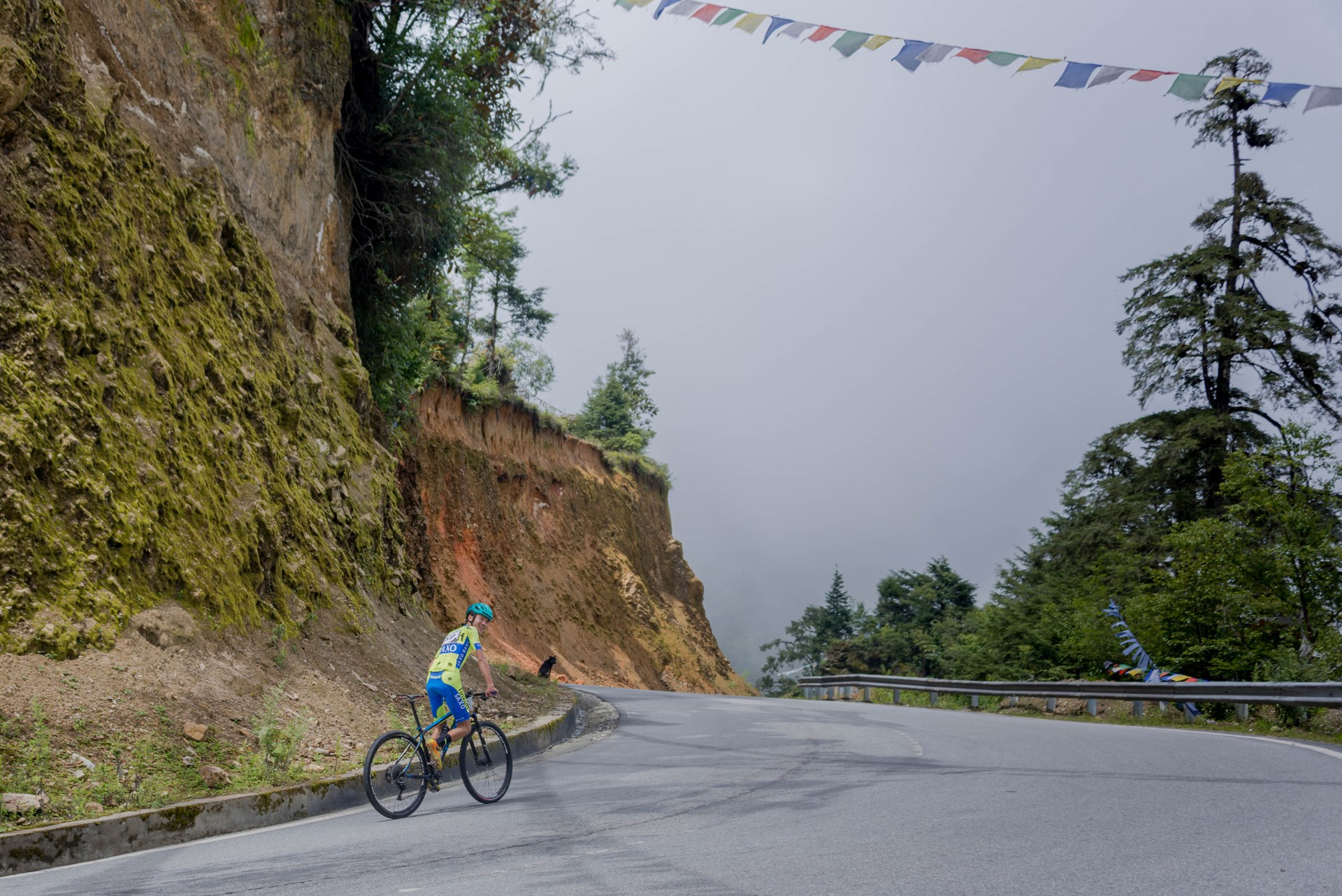
Best for Iconic Views
Dochula Pass | Chele La Pass
This is where Bhutan begins to feel epic.
- Dochula Pass (3,100m): A steady climb from Thimphu rewarded with panoramic Himalayan views and the famous 108 chortens standing against the sky.
- Chele La Pass (3,988m): The highest motorable pass in Bhutan, linking Paro to Haa Valley. Expect sharp climbs, thin air, and unforgettable views of snow-capped peaks.
These routes are less about speed and more about presence. You climb slowly, breathe deeply, and arrive somewhere that feels almost sacred.
Best for Culture
Bumthang Valley Routes
Bumthang is often called the spiritual heart of Bhutan—and cycling here feels like moving through a living museum.
- Ride between Jakar and Ura, passing ancient monasteries, traditional farmhouses, and quiet villages.
- Expect rolling terrain rather than extreme climbs, making it ideal for riders who want a deeper cultural connection.
This is where cycling becomes storytelling—every stop has a legend, every valley a history.
Best for Serious Riders
Trans Bhutan Trail | Mongar – Trashigang
If you’re chasing endurance, isolation, and raw terrain—this is where Bhutan tests you.
- Trans Bhutan Trail (≈403 km): A legendary cross-country route stretching from Haa to Trashigang, linking hundreds of cultural sites across the kingdom.
- Mongar to Trashigang: Remote, steep, and demanding—this eastern route rewards patience with untouched landscapes and a deep sense of exploration.
These are not casual rides. They’re journeys—physically demanding, mentally grounding, and profoundly memorable.
Best Hidden Gem
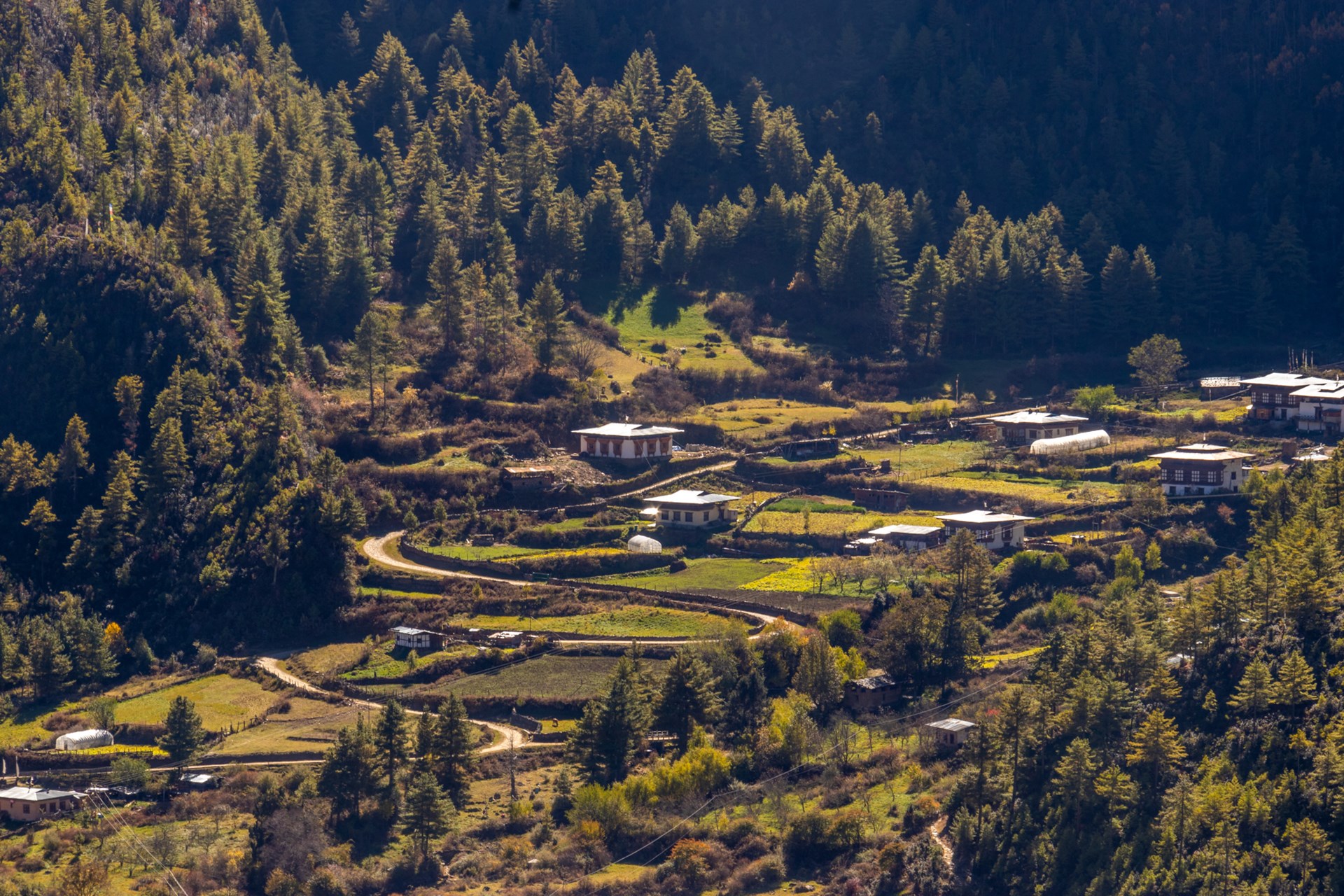
Haa Valley Circuit



Follow Druk Asia on social media for inspiring travel stories, breathtaking photos, and the latest updates from Bhutan.
Ready to Experience the Magic of Bhutan?
Fill in the form below and the friendly Bhutan Travel Specialist team will get back to you with expert advice, itinerary ideas, and everything you need to know. No obligations, just warm guidance from those who know Bhutan best.
Thank you for your message!
Hang tight—one of our friendly Bhutan Travel Specialists from Druk Asia will be reaching out soon with expert tips, insider advice, and exciting itinerary ideas to help you plan the adventure of a lifetime!
Discover
Breathtaking
Bhutan.
Thank you for subscribing!
You have successfully subscribed to our newsletter.
