BHUTAN
Travelog
22
May, 2026

Birdwatching in Bhutan: Rare Himalayan Birds & Best Birding Locations Guide
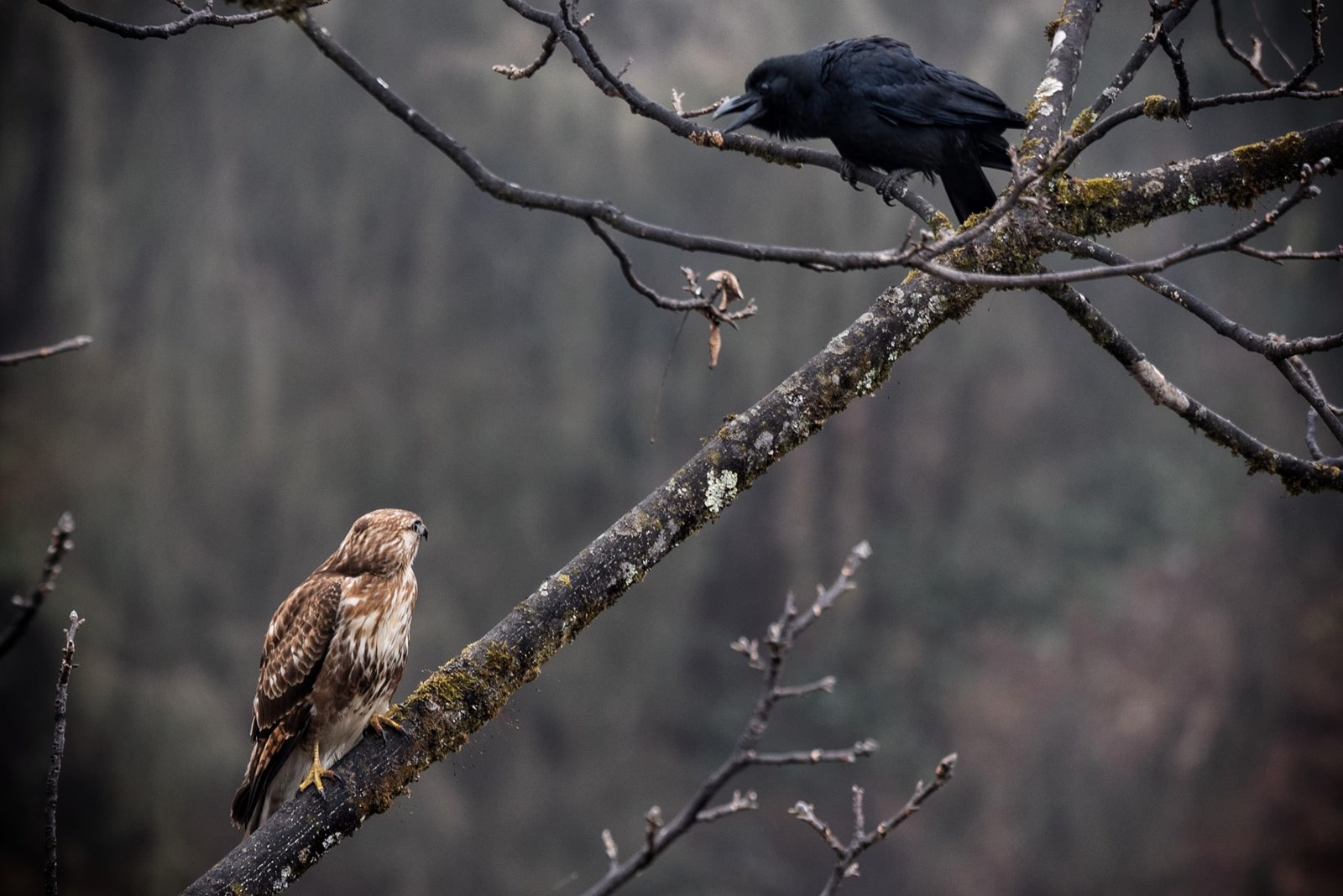
Bhutan is one of the world’s last truly intact Himalayan ecosystems, making it a dream destination for birdwatchers. With over 700 recorded bird species, including many rare, endangered, and endemic Himalayan species, the country offers unmatched opportunities to observe wildlife in pristine habitats ranging from subtropical forests to alpine meadows.
What sets Bhutan apart is not just biodiversity, but its conservation-first approach to tourism. Vast portions of the country remain protected as national parks and biological corridors, allowing birds to thrive with minimal human disturbance.
Why Bhutan is a Birdwatcher’s Paradise
Bhutan’s unique geography creates a vertical ecological gradient—from lowland jungles at 150 meters above sea level to snow-covered peaks above 7,000 meters. This variation supports an extraordinary range of birdlife.
Key advantages for birdwatching in Bhutan include:
- Minimal habitat destruction due to strict environmental policies
- High forest cover (over 70%), one of the highest in the world
- Protected national parks spanning the entire country
- Seasonal migration routes along the Eastern Himalayas flyway
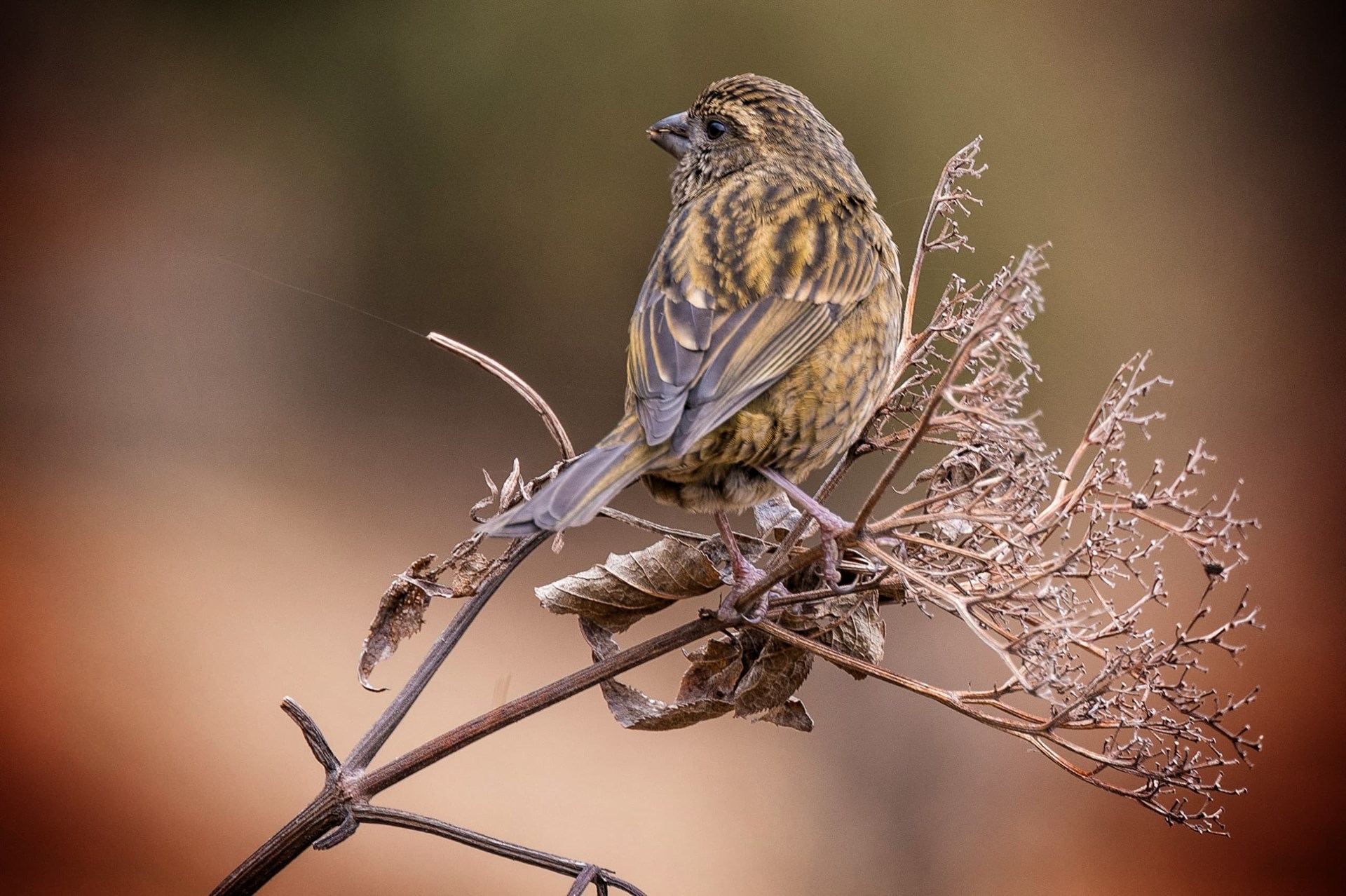
Among the most sought-after sightings are the Black-necked Crane, Rufous-necked Hornbill, Satyr Tragopan, and Ward’s Trogon.
Most Popular Bhutan Birdwatching Tour
Best Birdwatching Locations in Bhutan
Phobjikha Valley – Winter Home of the Black-necked Crane
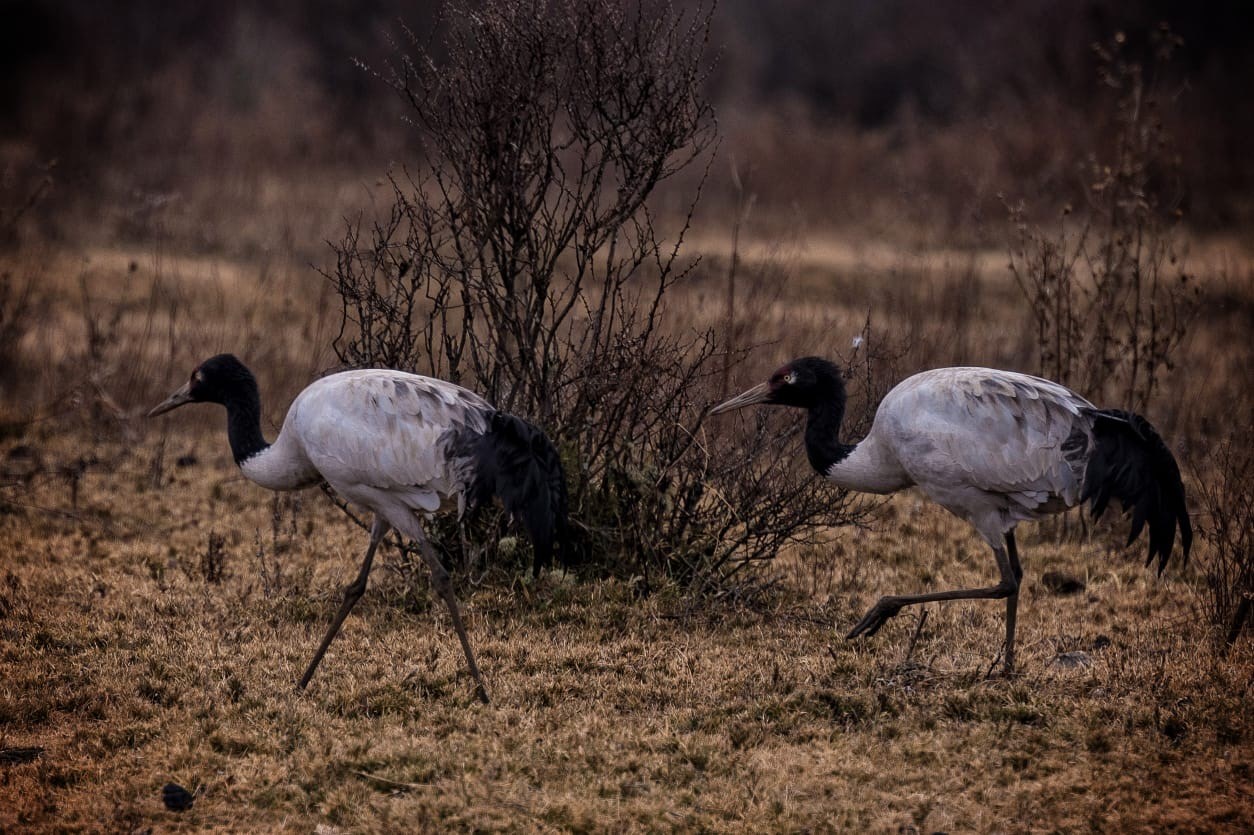
Phobjikha Valley is arguably Bhutan’s most famous birdwatching destination. This glacial valley transforms into a sanctuary each winter when endangered Black-necked Cranes migrate from Tibet.
Why it stands out:
- Best place to see Black-necked Crane in Bhutan
- Wide open marshlands and farmland attract diverse waterbirds
- Accessible nature trails and observation centers
- Strong conservation culture supported by local communities
The cranes are so culturally significant that locals often refrain from agricultural activities near their feeding grounds during peak season.
Jigme Dorji National Park – Alpine Bird Diversity
Jigme Dorji National Park spans from subtropical forests to high alpine terrain, making it one of the most biodiverse protected areas in the country.
Birdwatchers may encounter:
- Himalayan Monal
- Blood Pheasant
- Snow Partridge
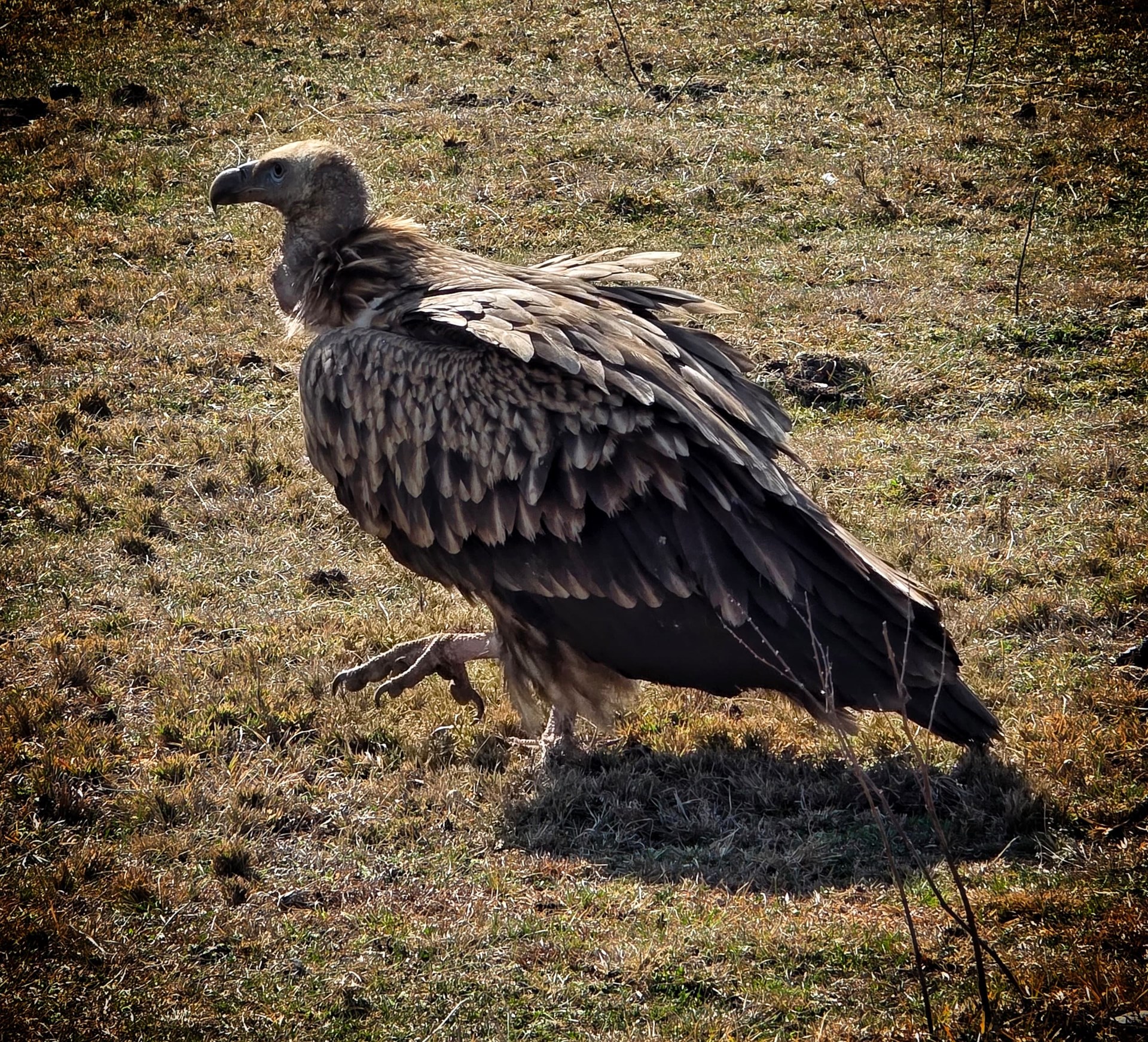
- Lammergeier (Bearded Vulture)
This park is ideal for experienced birders seeking high-altitude species in remote environments.
Royal Manas National Park – Lowland Tropical Birding
Royal Manas National Park is Bhutan’s oldest national park and offers a completely different birding experience compared to the high Himalayas.
Highlights include:
- Rich tropical and subtropical forest ecosystems
- Rare sightings of Rufous-necked Hornbill and Great Hornbill
- Excellent diversity of kingfishers, barbets, and trogons
- Birding combined with riverine and jungle landscapes
It is often called Bhutan’s “Amazon” due to its dense biodiversity.
Bumdeling Wildlife Sanctuary – Eastern Himalayan Hotspot
Bumdeling Wildlife Sanctuary is another key wintering ground for Black-necked Cranes and a critical conservation area in eastern Bhutan.
What to expect:
- Wetlands attracting migratory birds
- Forest species like ward’s trogon and Himalayan woodpeckers
- Less crowded, off-the-beaten-path birding experience
- Strong eco-tourism and conservation initiatives
This region is especially rewarding for travelers looking for quiet, less-visited birding routes.
Thrumshingla National Park – Mid-Altitude Forest Birds
Thrumshingla National Park sits in central Bhutan and is one of the richest birding zones in the country.
Common sightings include:
- Satyr Tragopan (highly sought-after pheasant)
- Ward’s Trogon
- Various laughingthrush species
- Himalayan cuckoos and flycatchers
The mix of oak, rhododendron, and conifer forests makes it ideal for mid-elevation species diversity.
Paro and Thimphu Valleys – Easy Access Birding
Paro and Thimphu are not only cultural hubs but also excellent introductory birding locations.
Birdwatching highlights:
- Accessible forest trails near towns
- Species like Kalij Pheasant, barbets, and sunbirds
- Great for beginners and short stays
- Combined cultural and nature experiences
These valleys are ideal for travelers who want birding without venturing into remote regions.
Best Time for Birdwatching in Bhutan
- November to February: Black-necked Cranes in Phobjikha and Bumdeling
- March to May: Spring migration and breeding activity (most diverse sightings)
- September to October: Clear skies and post-monsoon bird activity
Spring is generally considered the best overall season due to high bird activity and pleasant weather.
Essential Bird Species to Look For
Some of Bhutan’s most iconic bird species include:
- Black-necked Crane
- Rufous-necked Hornbill
- Satyr Tragopan
- Himalayan Monal
- Ward’s Trogon
- Blood Pheasant
- Great Hornbill
- Himalayan Rubythroat
Many of these species are difficult or impossible to see in other parts of the world.
Responsible Birdwatching in Bhutan
Bhutan’s conservation model emphasizes respect for wildlife and habitats. Visitors are encouraged to:
- Maintain a safe distance from birds
- Avoid playback calls in sensitive habitats
- Follow local guides and park regulations
- Stay on designated trails
- Support eco-certified lodges and operators
Responsible tourism ensures these habitats remain intact for future generations.
FAQs: Birdwatching in Bhutan
What makes Bhutan unique for birdwatching?
Bhutan’s high forest cover, strict conservation policies, and location along the Eastern Himalayas flyway make it one of the most biodiverse birding destinations in Asia.
Can beginners go birdwatching in Bhutan?
Yes. Areas like Paro and Thimphu valleys are beginner-friendly, while national parks offer guided tours for more advanced birding.
What is the rarest bird in Bhutan?
The Black-necked Crane is one of the most iconic and culturally important rare species, especially during its winter migration.
Do I need a guide for birdwatching in Bhutan?
Yes, most birdwatching in protected areas requires a licensed guide, and it is highly recommended for spotting and identification.
How many bird species are found in Bhutan?
Bhutan is home to over 700 recorded bird species, including many Himalayan endemics.
Is winter or spring better for birdwatching?
Winter is best for crane sightings, while spring offers the highest overall bird diversity.



Follow Druk Asia on social media for inspiring travel stories, breathtaking photos, and the latest updates from Bhutan.
Ready to Experience the Magic of Bhutan?
Fill in the form below and the friendly Bhutan Travel Specialist team will get back to you with expert advice, itinerary ideas, and everything you need to know. No obligations, just warm guidance from those who know Bhutan best.
Thank you for your message!
Hang tight—one of our friendly Bhutan Travel Specialists from Druk Asia will be reaching out soon with expert tips, insider advice, and exciting itinerary ideas to help you plan the adventure of a lifetime!
Discover
Breathtaking
Bhutan.
Thank you for subscribing!
You have successfully subscribed to our newsletter.
