BHUTAN
Travelog
21
Apr, 2026

Bhutan Wine Experience: Visit Bhutan Wine Company in Paro and Bumthang
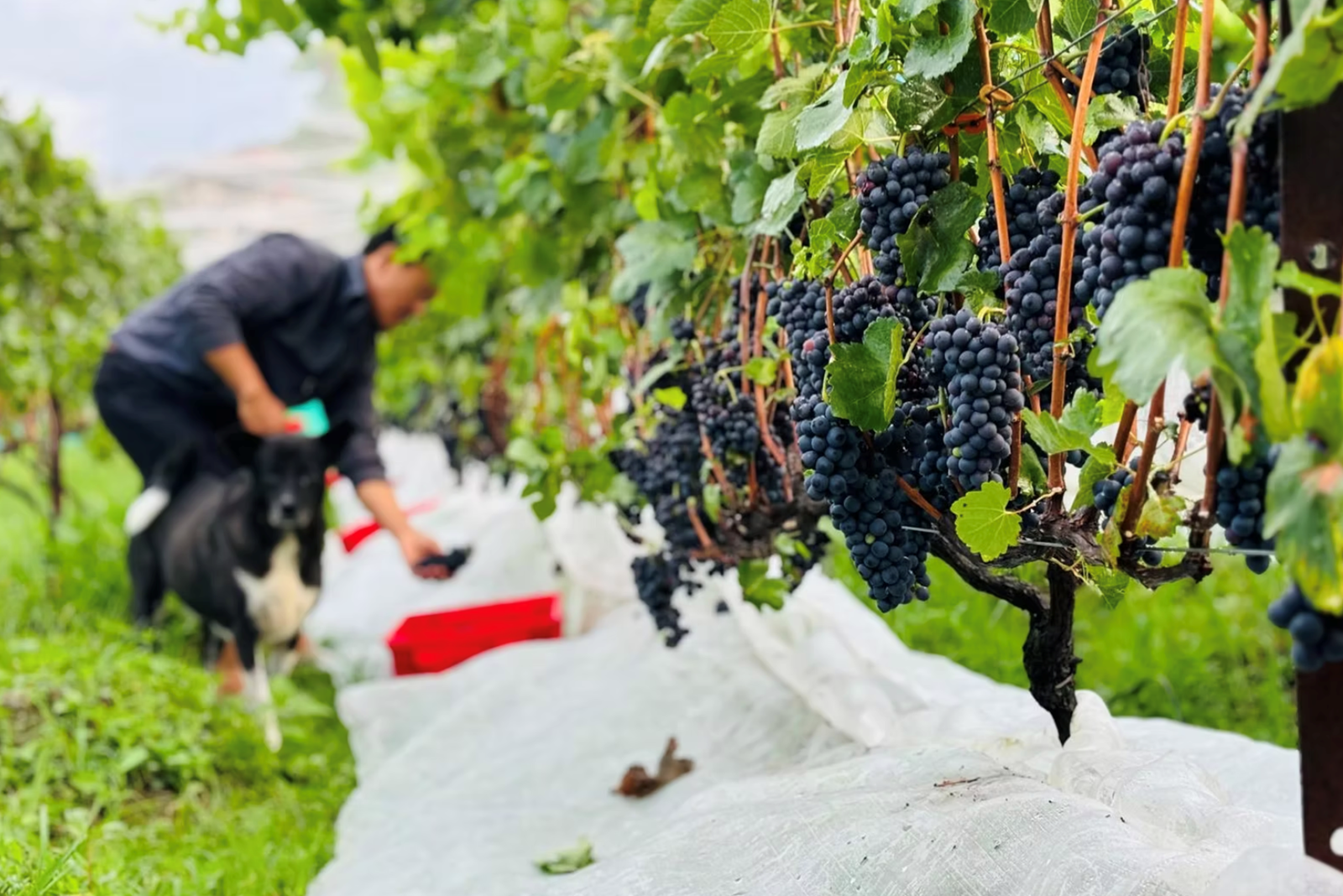
Bhutan is not an obvious wine destination. Known for its monasteries, dramatic Himalayan landscapes, and deeply rooted traditions, the kingdom has only recently entered the world of viticulture. Yet what is unfolding here is one of the most unusual wine stories in Asia.
The Bhutan Wine Company is leading this movement through a network of experimental vineyards spread across the country. For travellers, this is not a conventional winery visit—it is an opportunity to witness a pioneering project shaped by altitude, climate, and Bhutan’s philosophy of sustainability.
Where Are Bhutan’s Vineyards?
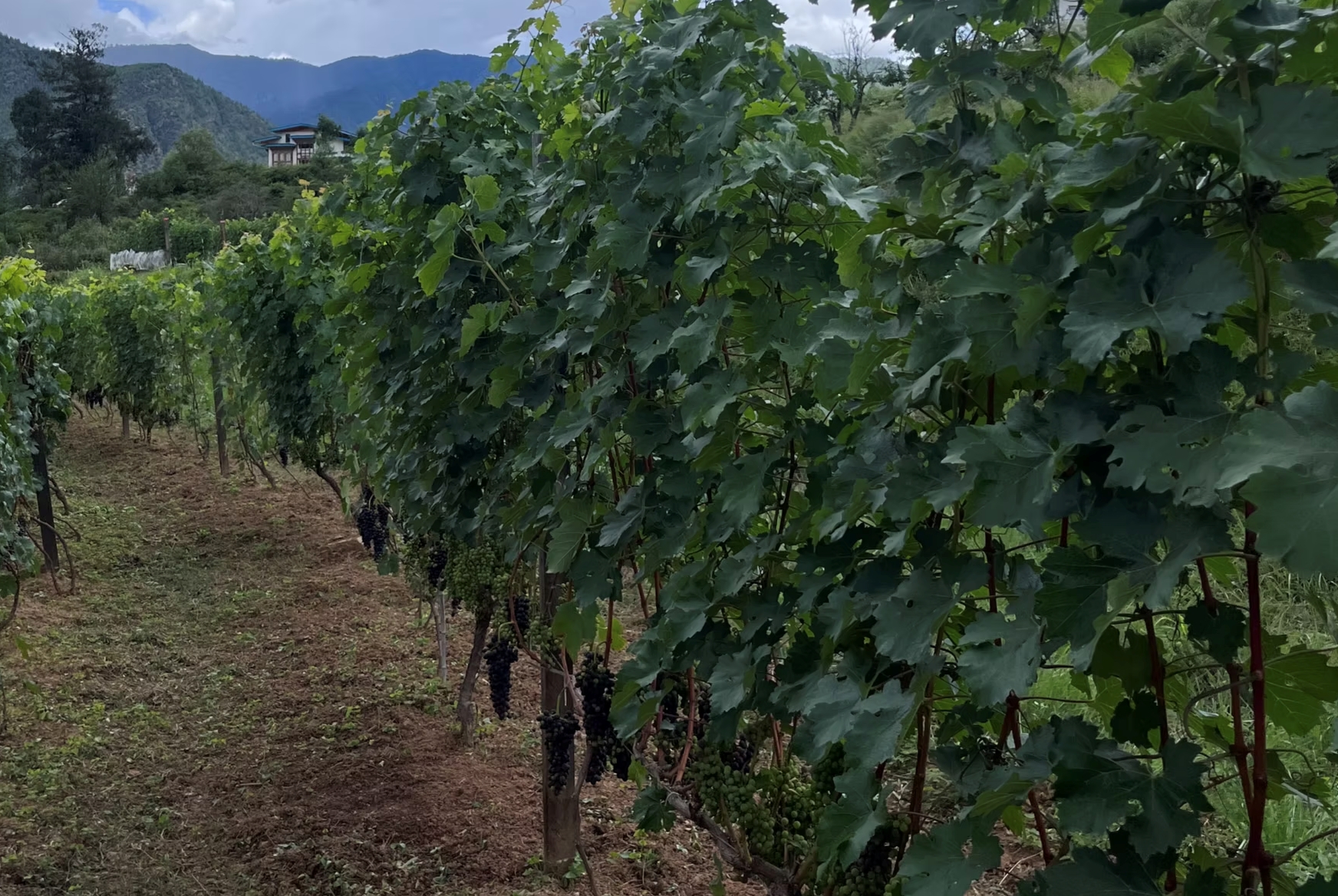
Unlike traditional wine regions, Bhutan does not have a single defined vineyard area. Instead, the Bhutan Wine Company operates nine vineyard sites across the country, covering a wide range of altitudes—from subtropical lowlands to high Himalayan slopes.
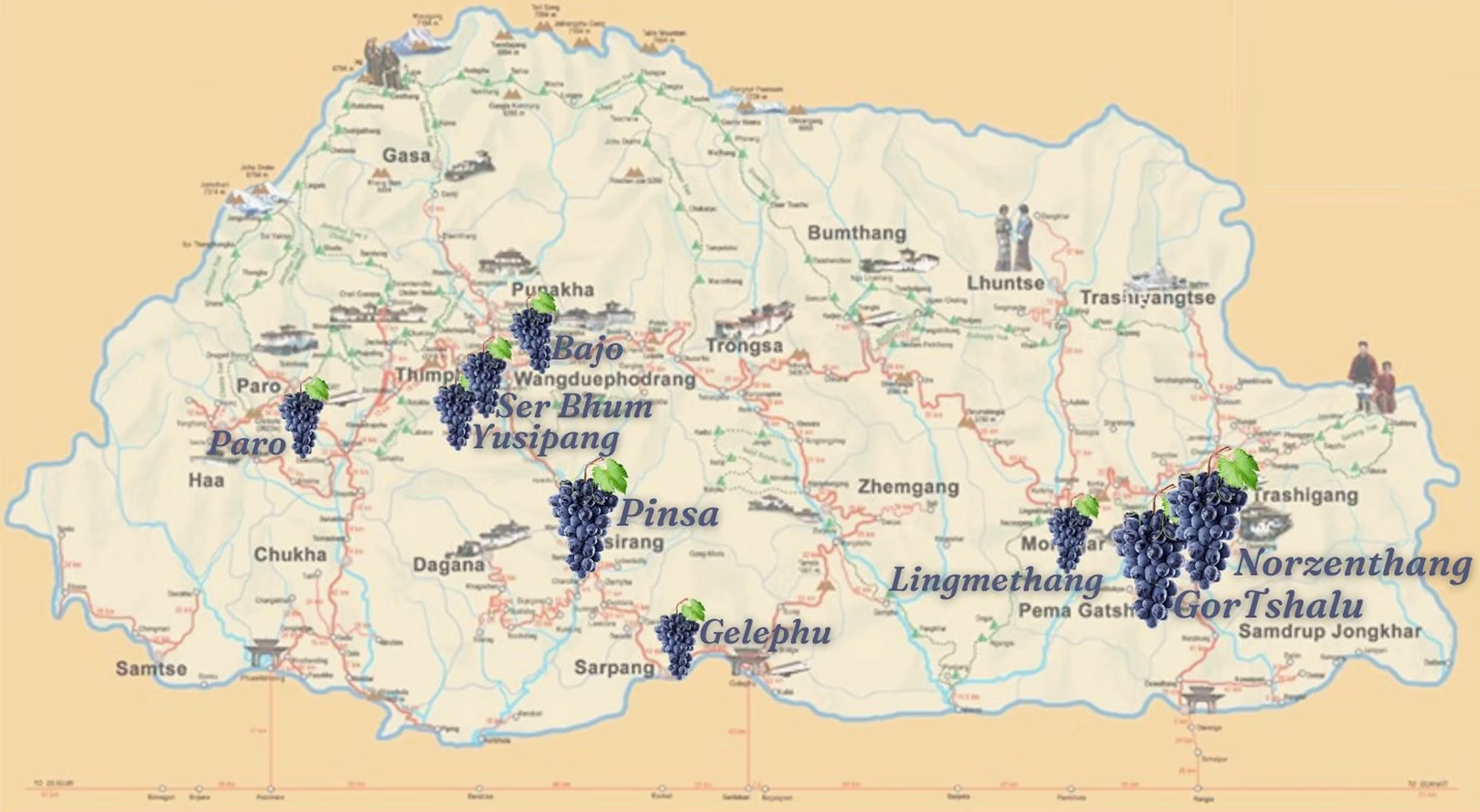
These vineyards collectively span:
- Around 200 acres of land
- Approximately 50 acres under vine
- Elevations ranging from about 500 ft to over 9,000 ft
This distributed approach allows experimentation with different grape varieties and growing conditions. It also means Bhutan’s wine identity is still evolving, shaped by diverse microclimates rather than a single terroir.
Can Travellers Visit the Vineyards?
This is where expectations need to be carefully managed.
Most vineyard sites are not open for casual tourism. Many are located in remote or developing areas and are used primarily for research and cultivation. Access can be limited due to terrain, logistics, or operational constraints.
For travellers, wine-related experiences are typically:
- Arranged in or near Paro and Thimphu
- Curated through tour operators
- Focused on tasting and storytelling rather than large estate visits
This makes the experience more exclusive, but also less conventional compared to established wine destinations.
What Travellers Can Experience
Vineyard and Farm Visits
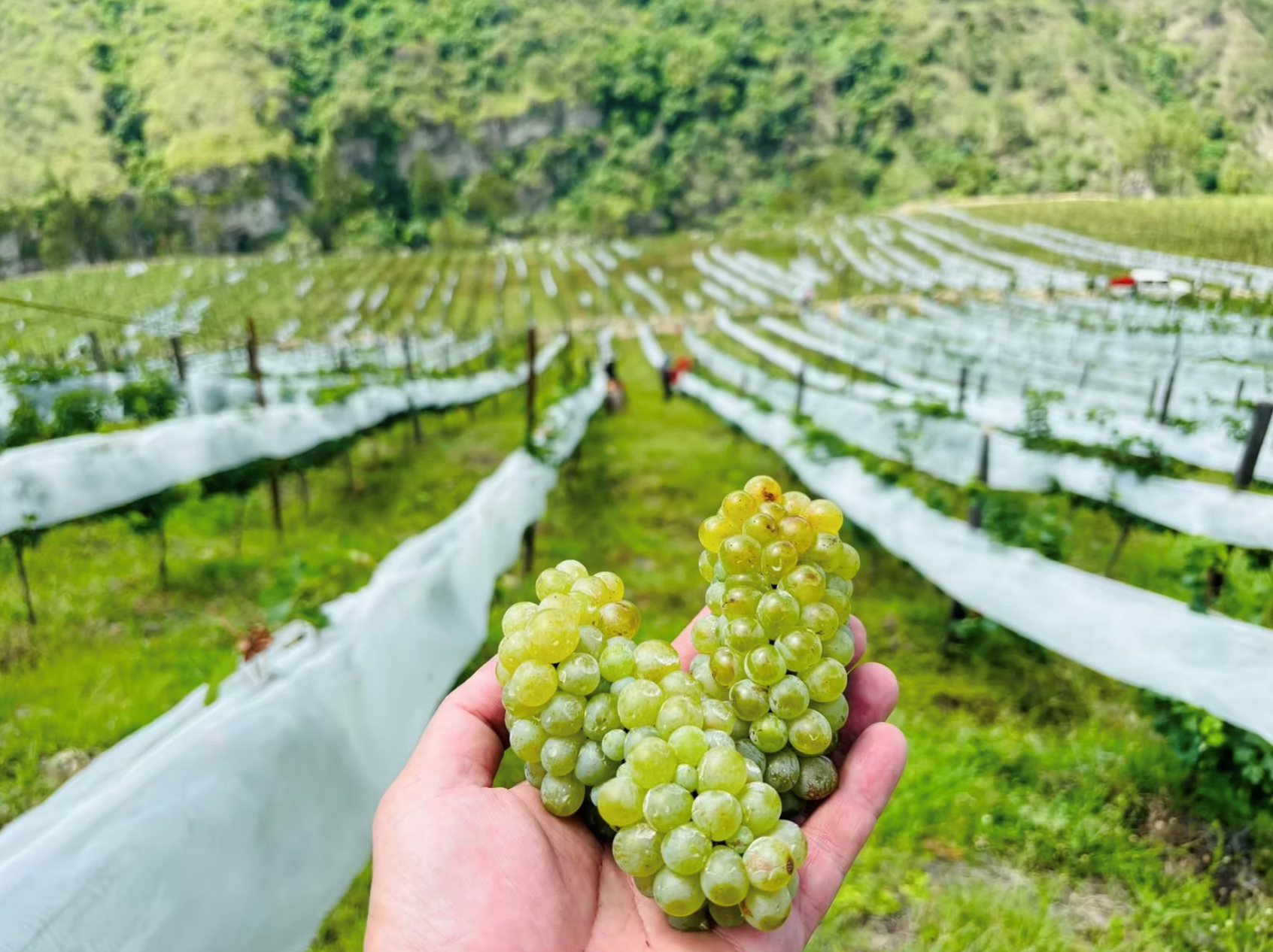
Where access is possible, vineyard visits tend to be small-scale and immersive. Travellers may walk through agricultural land, learn about cultivation techniques, and see how vineyards are integrated into Bhutanese farming systems.
These visits are less about polished tourism infrastructure and more about authentic rural context.
Wine Tasting
Wine tasting is the most accessible and consistent experience.
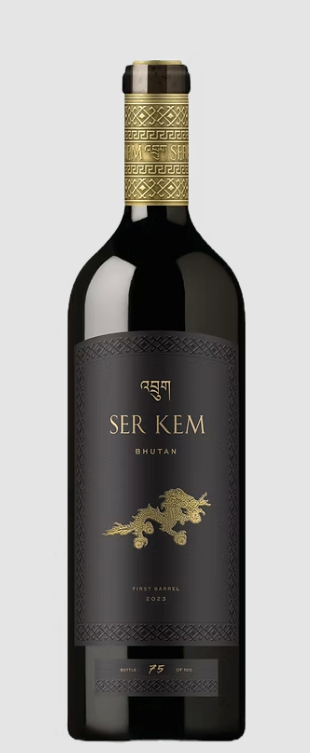
Bhutan Wine Company produces a range of wines, often including:
- Grape wines (from experimental vineyards)
- Fruit wines made from apples, peaches, plums, and pears
Tasting sessions introduce travellers to Bhutan’s unique flavour profiles, which are influenced by altitude, shorter growing seasons, and local conditions. The wines tend to be lighter, aromatic, and distinctly different from classic Old World styles.
Understanding an Emerging Wine Region
One of the most compelling aspects is educational. Visitors gain insight into:
- The challenges of growing grapes in extreme altitudes
- Bhutan’s experimental approach to agriculture
- The role of sustainability and low-impact farming
This transforms the visit from a simple tasting into a deeper exploration of Bhutan’s evolving economy.
Why Bhutan Wine Is Unique
Bhutan’s wine industry stands apart in several ways.
First, the altitude. Few wine projects globally operate across such a dramatic elevation range, which directly affects acidity, ripening, and flavour development.
Second, the diversity of sites. With vineyards spread across nine locations, Bhutan is effectively testing multiple terroirs at once.
Third, the integration with national values. Bhutan’s environmental policies encourage minimal chemical use, small-scale production, and community involvement.
Finally, the sense of discovery. This is not a mature wine region—it is a work in progress, and that is precisely what makes it interesting.
Where to Include This in Your Itinerary
Although vineyards are scattered across Bhutan, wine experiences are most practically included in western Bhutan itineraries.
In Paro, travellers can combine a wine experience with major highlights such as Taktsang Monastery. This creates a balanced itinerary that blends culture, landscape, and leisure.
In Thimphu, curated tastings can be incorporated into a broader exploration of Bhutan’s contemporary culture and cuisine.
Best Time to Visit
Spring (March to May) offers mild weather and vibrant landscapes, making it ideal for outdoor experiences.
Autumn (September to November) is particularly rewarding, as it aligns with harvest periods and clearer mountain views.
Is Bhutan a Wine Destination?
Not in the traditional sense. There are no large estates, no extensive tasting rooms, and no established wine routes.
But Bhutan offers something more distinctive.
It is one of the few places in the world where travellers can witness a wine industry being built from the ground up—across extreme altitudes, guided by sustainability, and deeply connected to local communities.
For those interested in offbeat experiences, agriculture, and emerging destinations, Bhutan Wine Company provides a quietly compelling addition to a Bhutan journey.


Follow Druk Asia on social media for inspiring travel stories, breathtaking photos, and the latest updates from Bhutan.
Ready to Experience the Magic of Bhutan?
Fill in the form below and the friendly Bhutan Travel Specialist team will get back to you with expert advice, itinerary ideas, and everything you need to know. No obligations, just warm guidance from those who know Bhutan best.
Thank you for your message!
Hang tight—one of our friendly Bhutan Travel Specialists from Druk Asia will be reaching out soon with expert tips, insider advice, and exciting itinerary ideas to help you plan the adventure of a lifetime!
Discover
Breathtaking
Bhutan.
Thank you for subscribing!
You have successfully subscribed to our newsletter.
