BHUTAN
Travelog
04
Aug, 2026
Alcohol in Bhutan: A Traveller’s Guide to Ara, Local Beer and Bhutanese Drinking Culture
Bhutan may be better known for butter tea, mountain monasteries and fiery chilli dishes, but alcoholic drinks also have a long and varied place in the country’s culture.
From bowls of homemade ara shared beside a village stove to locally produced beer, whisky, rum and fruit wine, drinking in Bhutan offers an interesting glimpse into local hospitality, regional ingredients and modern social life.
Alcohol is widely available, particularly in Thimphu, Paro, Punakha and other larger towns. However, it is best approached as a cultural experience rather than simply part of the nightlife.
Here is what you should know before ordering a drink or accepting a cup in a Bhutanese home.
The Role of Alcohol in Bhutanese Culture
In Bhutan, alcohol has traditionally been associated with hospitality, celebrations, family gatherings, agricultural life and community occasions.
In some rural communities, offering a guest a drink is a gesture of warmth and generosity, much like serving tea or food. You may be offered ara during a homestay, village celebration, traditional meal or festival.
Drinking customs vary between households, regions and generations. In urban Bhutan, younger residents may meet friends over beer, cocktails or whisky in restaurants and bars. In rural areas, alcohol is more likely to be homemade and served during meals, ceremonies or social visits.
Bhutan is a deeply Buddhist country, and excessive drinking is generally discouraged, particularly in religious settings. Alcohol should not be consumed around temples, monasteries, dzongs or other sacred places.
Always follow the advice of your guide and observe local customs.
Ara: Bhutan’s Best-Known Traditional Alcohol
Ara, sometimes written as arag, is Bhutan’s most recognised traditional alcoholic drink.
It may be fermented or distilled from grains such as:
-
Rice
-
Wheat
-
Maize
-
Millet
-
Barley
-
Buckwheat
The ingredients often depend on what is grown locally. As ara is commonly prepared according to household or family recipes, its taste, appearance and strength can vary considerably.
Some versions are clear and spirit-like, while others are slightly cloudy and have a stronger grain flavour.
Ara may be served at room temperature, but it is often warmed before drinking, especially during Bhutan’s colder months.
In some homes, ara is heated with butter and scrambled egg. This creates a rich and warming drink that is closer to a savoury broth than a conventional spirit. The egg and butter soften the sharpness of the alcohol and make the drink more substantial.
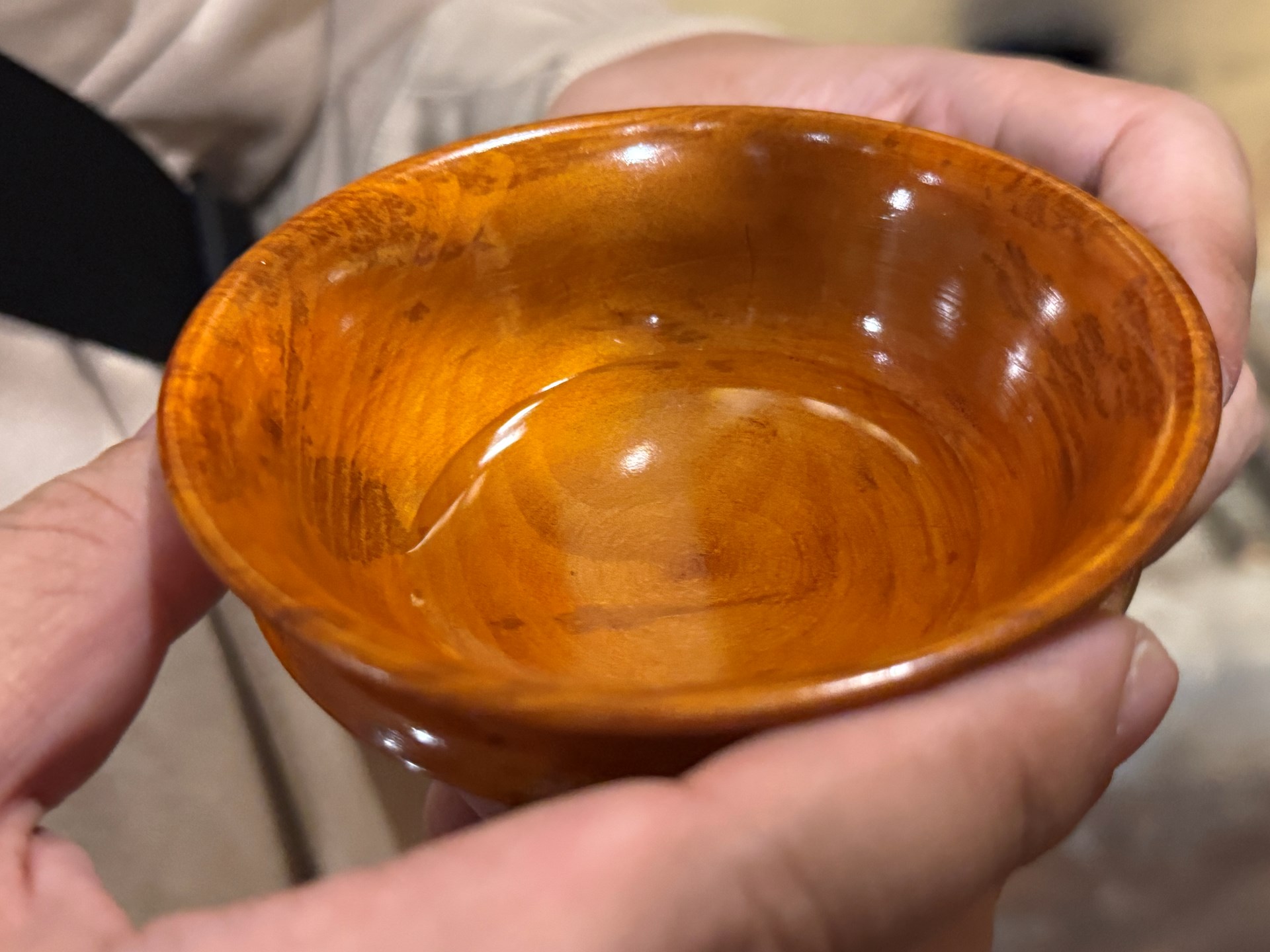
Ara is closely connected with Bhutanese hospitality. During a homestay or farmhouse dinner, your host may pour it into a cup or wooden bowl and offer frequent refills.
Homemade ara can be considerably stronger than it tastes. Drink slowly, as its alcohol content is not always measured or displayed.
Bangchang and Sinchang
Bangchang, sometimes written as banchang, is another traditional grain-based alcoholic drink.
It is usually fermented rather than distilled and is often milder than ara, although the strength can still vary. It may have a cloudy appearance and a lightly sour, yeasty or cereal-like flavour.
Sinchang is also made by fermenting grains with yeast.
Both drinks may be encountered in village homes, during rural festivals or as part of a traditional culinary experience.
The differences between ara, bangchang and sinchang are not always explained consistently. Travellers may encounter other fermented grain drinks known by different regional names. Recipes, terminology and alcohol strength vary between communities, so ask your host or guide how the drink was prepared and traditionally served. These conversations are often as memorable as the drink itself.
Popular Bhutanese Beers
Beer is one of the easiest local alcoholic drinks to find in Bhutan.
Restaurants, hotels, pubs and licensed shops commonly carry Bhutanese beer alongside imported brands.
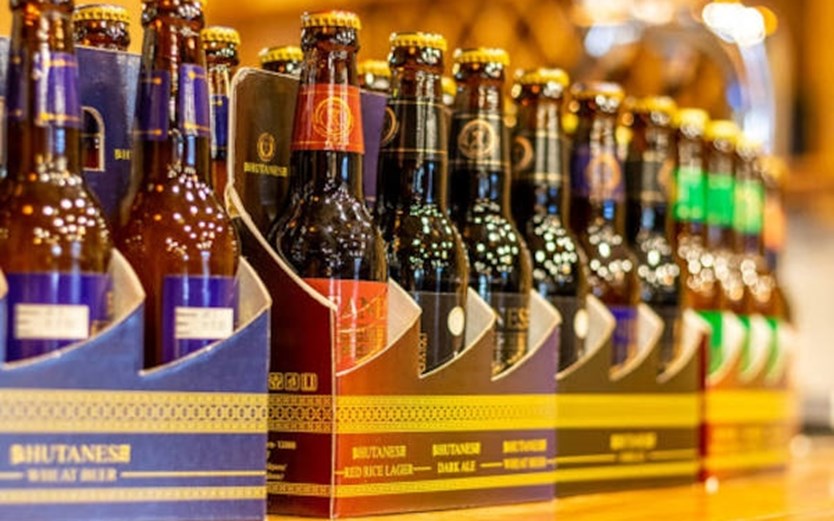
Popular local beers include:
Druk 11000
Druk 11000 is one of Bhutan’s most recognisable beers. It is a strong lager and should not be treated like a light session beer.
Its higher alcohol content can feel more noticeable at Bhutan’s altitude, particularly when you have only recently arrived or have spent the day hiking.
Bhutan Premium Lager
Bhutan Premium Lager is a lighter and easy-drinking local beer that is commonly available in restaurants and shops.
It pairs well with Bhutanese dishes, particularly spicy meals containing chilli and cheese.
Red Panda Beer
Red Panda is associated with Bumthang and is known for its wheat-beer character.
It tends to be smoother and less bitter than many strong lagers. Availability can vary, and it may be easier to find in Bumthang, Thimphu, Paro or specialist shops.
Bhutanese Craft Beer
Bhutan’s craft-beer scene has expanded in recent years, particularly in Thimphu and Paro.
Depending on the venue, you may find:
-
Wheat beer
-
Pale ale
-
Stout
-
Red-rice beer
-
Seasonal brews
-
Locally inspired speciality beers
Small breweries, taprooms and product ranges can change, so ask your guide or hotel for current recommendations.
Whisky, Rum and Other Bhutanese Spirits
Bhutan also produces commercial whisky, rum, brandy and other spirits.
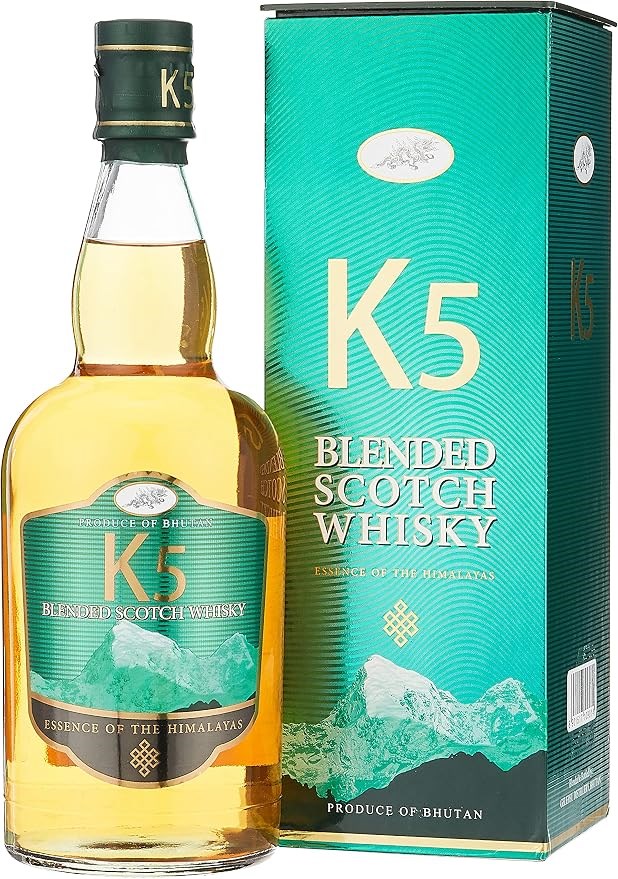
K5 Whisky
K5 whisky is among Bhutan’s most recognisable alcoholic products. It is commonly purchased as a gift or souvenir and can be found in licensed alcohol shops, supermarkets and hotel bars.
Other Bhutanese grain whiskies and blended spirits are also available.
Local commercial spirits are generally more affordable than imported premium labels, although prices differ depending on the brand and venue.
Luxury hotels and resorts may carry a broad selection of international wines and spirits, while smaller restaurants usually offer a more limited selection of local beer, whisky and rum.
Bhutanese Fruit Wine
You may also encounter locally produced fruit wines made from ingredients such as:
-
Apples
-
Peaches
-
Plums
-
Apricots
-
Other temperate fruits
These wines are often sweeter and lighter than whisky or ara, making them an approachable choice for travellers who prefer wine-based drinks.
Availability varies by season, region and producer.
Where to Try Alcohol in Bhutan
Farmhouses and Homestays
The most meaningful place to try traditional alcohol is often a farmhouse or homestay.
Ara or bangchang may be served as part of a home-cooked meal. You may also have the opportunity to learn how the drink was prepared, which grains were used and when the family traditionally serves it.
This provides cultural context that is difficult to experience in a bar or restaurant.
Thimphu
Thimphu has Bhutan’s largest selection of pubs, restaurants, live-music venues, cocktail bars and hotel lounges.
You can find everything from local beer and whisky to imported wines and contemporary cocktails.
Cocktail recommendation in Bhutan
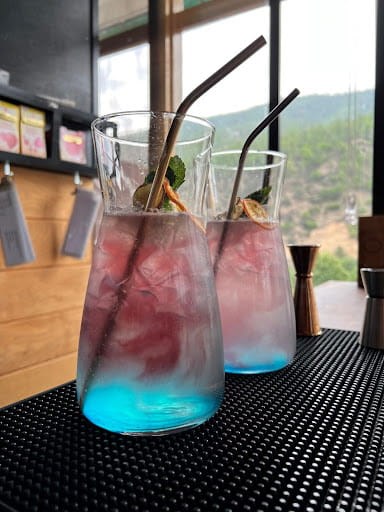
Cocktail lovers can head to Drunken Yeti, known for serving some of the best cocktails in town. Be sure to try its signature Yeti Cocktail.
Paro
Paro has a growing selection of relaxed bars, cafés, restaurants and hotel lounges catering to both residents and international visitors.
It is a good place to enjoy a local beer after sightseeing or hiking.
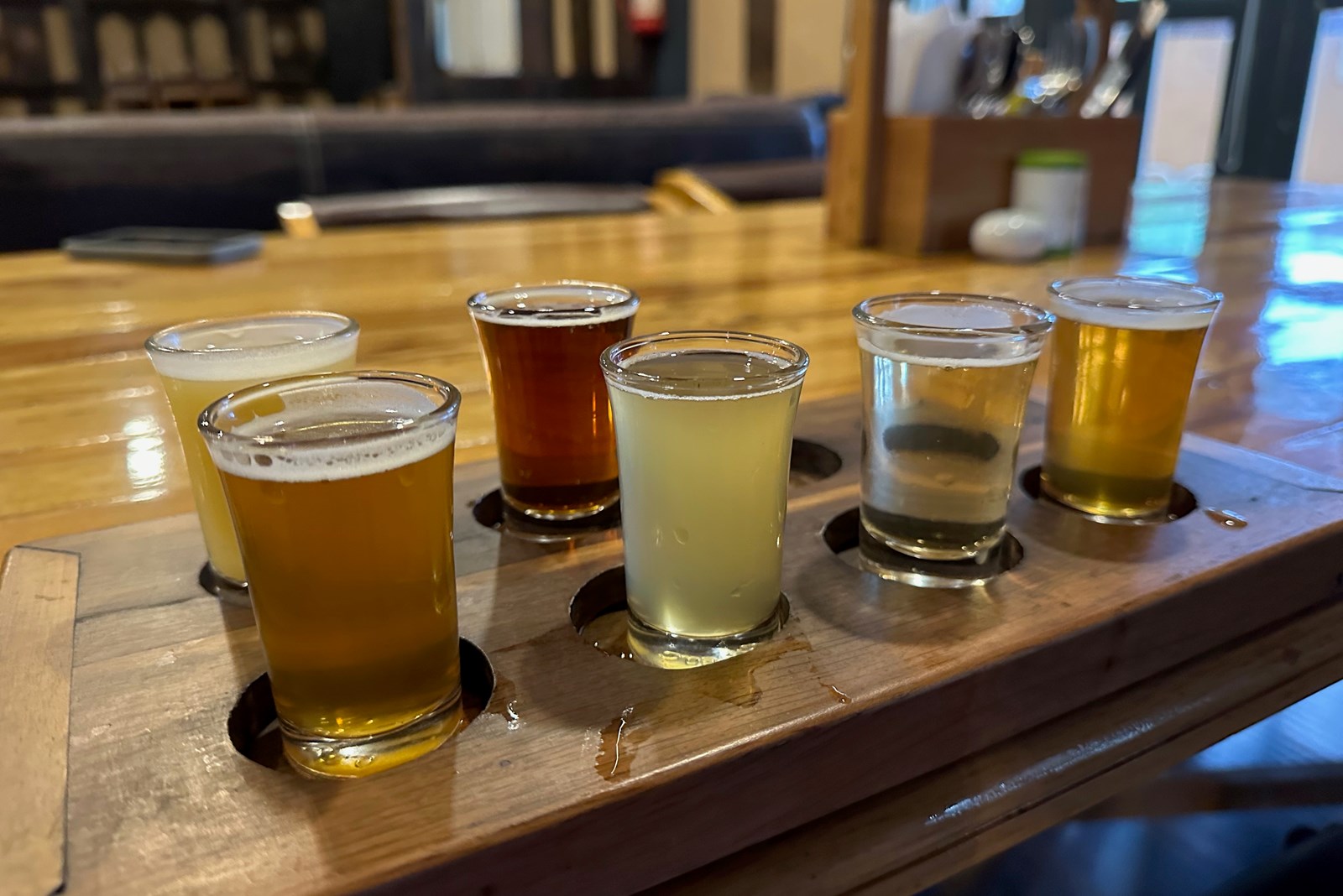
If you like beer, you can consider visiting Namgay Artisanal Brewery for a beer tasting session. The brewery's signature 6-beer selection consists of:
- Red Rice Lager: Flagship brown lager brewed using local Bhutanese red rice.
- Wheat Beer: Light, smooth brew with subtle spicy and fruity traits.
- Dark Ale: Rich, amber-hued ale with roasted malt, coffee, and chocolate notes.
- Indian Pale Ale (IPA): Bold, aromatic, and hoppy beer with a citrus finish.
- Milk Stout: Smooth, sweet stout featuring lactose/milk sugars.
- Apple Cider: Crisp, tart, and refreshing fruit cider made from local apples (often counted alongside their core six offerings).
Punakha and Other Towns
Punakha, Phuentsholing, Bumthang and other larger towns have licensed restaurants and alcohol retailers, although the nightlife is generally quieter than in Thimphu.
Luxury Hotels and Resorts
Luxury hotels throughout Bhutan usually serve beer, wine, spirits and cocktails in their restaurants or lounges.
Some create cocktails using Bhutanese ingredients such as:
-
Local herbs
-
Honey
-
Chilli
-
Apples
-
Himalayan botanicals
Prices at luxury hotels are naturally higher than at neighbourhood bars or local shops.
Buying Alcohol in Bhutan
Alcohol can be purchased from licensed wine and liquor shops.
These shops sell alcohol for takeaway and are not intended for drinking on the premises.
Supermarkets and general shops may also carry beer, whisky, rum and fruit wine, depending on their licence and location.
Availability can be more limited in remote areas, so purchase anything you need before travelling into rural regions.
What Is the Legal Drinking Age in Bhutan?
The legal drinking age in Bhutan is 18.
Licensed establishments are not permitted to serve or sell alcohol to anyone below 18 years old. Travellers who appear young should carry identification, as some venues may ask for proof of age.
Can You Buy Alcohol on Tuesdays in Bhutan?
Tuesday used to be traditionally observed as Bhutan’s official dry day.
However, the restriction was lifted in July 2023, allowing licensed restaurants, hotels, bars and alcohol retailers to sell and serve alcoholic drinks on Tuesdays
Tuesday is no longer observed as a nationwide dry day in Bhutan.
Where Alcohol Should Not Be Consumed
Alcohol sales and consumption are restricted around certain institutions and public spaces.
Avoid drinking in or around:
-
Monasteries
-
Temples
-
Dzongs
-
Schools
-
Colleges and universities
-
Hospitals
-
Government offices
-
Monastic institutions
-
Sacred sites
-
Public ceremonial grounds
Even where no sign is displayed, it is respectful to drink only in licensed establishments, private accommodation or homes where alcohol has been offered.
Drinking Etiquette in a Bhutanese Home
When ara is offered, the cup may be presented with both hands or poured repeatedly as part of your host’s hospitality.
Accepting the cup with your right hand, or with both hands, is considered respectful.
You may take a small sip before setting it down. However, hosts may refill your cup before it is empty, so let them know when you have had enough.
You can gently cover the cup with your hand, thank your host and ask for tea or water instead.
You do not need to drink beyond your comfort level to be polite.
Bhutanese hosts are accustomed to visitors with different religious, dietary, health and personal preferences. Let your guide know in advance when you do not drink so they can communicate this naturally.
Never pressure another person to drink.
Can You Refuse Ara?
Yes. You can politely refuse alcohol without offending your host.
Thank them for the offer and explain that you do not drink or would prefer tea. Your guide can help translate or explain your preference when necessary.
Bhutanese hospitality is expressed through the act of offering. You are not expected to become intoxicated or drink more than you are comfortable with.
Alcohol at High Altitude
Much of a typical Bhutan itinerary takes place at elevations above 2,000 metres.
Thimphu is located at approximately 2,300 metres, while travellers crossing mountain passes or joining treks may climb considerably higher.
Alcohol can:
-
Increase dehydration
-
Disturb sleep
-
Worsen headaches
-
Increase fatigue
-
Make dizziness more noticeable
-
Make altitude symptoms harder to identify
Avoid heavy drinking during the first few days of your trip, particularly while your body is adjusting to the altitude.
Drink plenty of water, eat before consuming alcohol and avoid drinking the evening before a demanding hike.
Never use alcohol as a treatment for altitude sickness or as a way to help you sleep at high elevation.
When you feel unwell, stop drinking and inform your guide.
Alcohol and Bhutan’s Winding Roads
Road journeys in Bhutan frequently involve narrow mountain routes, sharp bends and long driving times.
Alcohol and motion sickness can be an unpleasant combination, so avoid drinking before a long road transfer.
Never drink and drive.
Most international visitors travel with a professional driver, but intoxication can still increase the risk of falls, poor judgement and injury.
Bhutan’s stone stairways, village paths and mountain roads can be uneven and poorly lit after dark.
Responsible Drinking in Bhutan
Alcohol is part of Bhutanese social life, but alcohol-related harm remains a public-health concern.
Traditional alcohol should be treated with the same caution as commercially produced spirits.
Homemade drinks may not have:
-
Standardised alcohol content
-
Clear labelling
-
Formal production controls
-
Consistent storage conditions
Avoid alcohol from an unknown source when its quality appears questionable. Do not drink from containers that smell unusual, appear contaminated or have been stored unsafely.
Pregnant travellers, people taking medication that interacts with alcohol and anyone with a health condition affected by alcohol should abstain.
Can You Visit Bhutan Without Drinking?
Absolutely.
Alcohol is not necessary for enjoying Bhutanese hospitality, cuisine or social life.
Tea plays an important role in daily life. You may be offered:
Suja
Suja is Bhutanese butter tea, traditionally prepared with tea leaves, butter and salt.
Ngaja
Ngaja is sweet Bhutanese milk tea and is generally more familiar to travellers who prefer conventional tea.
Tea may be served with zaw, or puffed rice, and sip, a type of pounded maize.
Cafés in Thimphu, Paro and other towns also serve coffee, juice, soft drinks and alcohol-free beverages. Hotels can usually prepare mocktails, while homestay hosts can offer tea or hot water instead of ara.
Mention your preference to your tour operator before arrival, especially when your itinerary includes farmhouse meals or cultural programmes.
Buying Alcohol as a Souvenir
Bottled Bhutanese whisky, rum, beer and fruit wine can make distinctive souvenirs.
Before buying alcohol, check:
-
Your airline’s baggage restrictions
-
Your destination’s duty-free allowance
-
Customs declaration requirements
-
Checked-baggage liquid rules
-
Bottle packaging and weight
Wrap glass bottles carefully and place them inside leak-resistant bags.
Homemade ara is generally less suitable as a souvenir because it may be sold in unlabelled containers and may not meet airline or customs requirements.
A sealed, commercially produced bottle is the safer option.
Products available at Paro International Airport can vary, so purchase a preferred brand earlier rather than relying entirely on the airport shop.
What Alcohol Should You Try in Bhutan?
For a genuine cultural experience, try a small serving of warm ara during a farmhouse dinner.
Beer drinkers can sample Bhutan Premium Lager, Druk 11000, Red Panda or a locally produced craft beer.
Whisky enthusiasts may enjoy trying K5 or comparing different Bhutanese grain whiskies.
Travellers who prefer something sweeter can ask about locally produced fruit wine.
The objective is not to try everything in one evening. Choose one or two drinks, ask about their origins and enjoy them alongside Bhutanese food.
Alcohol and Bhutanese Food Pairings
Bhutanese alcoholic drinks can pair well with the country’s rich and spicy cuisine.
Beer works particularly well with:
-
Momos
-
Ema datshi
-
Phaksha paa
-
Sikam paa
-
Shakam datshi
-
Fried snacks
-
Spicy noodles
Ara is often enjoyed with hearty farmhouse dishes and traditional meals.
Sweeter fruit wines may pair well with lighter dishes, cheese or dessert.
Frequently Asked Questions
Is alcohol legal in Bhutan?
Yes. Alcohol is legally produced, sold and consumed in Bhutan, subject to licensing and sales regulations.
What is the legal drinking age in Bhutan?
The legal drinking age is 18.
Can you buy alcohol on Tuesday in Bhutan?
Yes. Tuesday is no longer observed as a nationwide dry day in Bhutan.
What time can restaurants start serving alcohol?
Licensed restaurants are generally not permitted to serve alcohol before 1 pm.
What is Bhutan’s traditional alcoholic drink?
Ara is Bhutan’s best-known traditional alcoholic drink. It is made from grains such as rice, wheat, millet, maize, barley or buckwheat.
Is ara strong?
It can be. Homemade ara varies considerably in strength and may not carry an alcohol-content label.
Where is the best place to try ara?
A farmhouse or homestay provides the most authentic experience, particularly when your host can explain how it was prepared.
Does ara contain egg or dairy?
Plain ara does not necessarily contain egg or dairy. However, warm ara may be prepared with butter and scrambled egg.
Tell your host when you are vegetarian, vegan or allergic to eggs or dairy products.
Can I refuse alcohol without offending my host?
Yes. Thank your host and politely ask for tea or water instead.
Is Bhutan known for nightlife?
Bhutan’s nightlife is modest compared with major Asian cities, but Thimphu and Paro have pubs, live-music venues, bars and hotel lounges.
A Taste of Bhutanese Hospitality
Alcohol in Bhutan reflects two different sides of the country.
One is deeply traditional: a warm cup of ara prepared from locally grown grain and shared beside a family hearth.
The other is modern and urban: friends meeting over craft beer, whisky or cocktails in a Thimphu bar.
Both are part of contemporary Bhutan.
Approach the experience with curiosity, restraint and respect. Ask what you are drinking, listen to the stories behind it and remember that Bhutanese hospitality is expressed through the offering rather than the amount consumed.
A small cup, thoughtfully shared, is often enough to understand the tradition.
Follow Druk Asia on social media for inspiring travel stories, breathtaking photos, and the latest updates from Bhutan.
Ready to Experience the Magic of Bhutan?
Fill in the form below and the friendly Bhutan Travel Specialist team will get back to you with expert advice, itinerary ideas, and everything you need to know. No obligations, just warm guidance from those who know Bhutan best.
Thank you for your message!
Hang tight—one of our friendly Bhutan Travel Specialists from Druk Asia will be reaching out soon with expert tips, insider advice, and exciting itinerary ideas to help you plan the adventure of a lifetime!
Discover
Breathtaking
Bhutan.
Thank you for subscribing!
You have successfully subscribed to our newsletter.
